Field Photo Documentation Standards
A systematic discipline for capturing objective, verifiable visual evidence that directly supports property damage scope items and technical repair justifications.
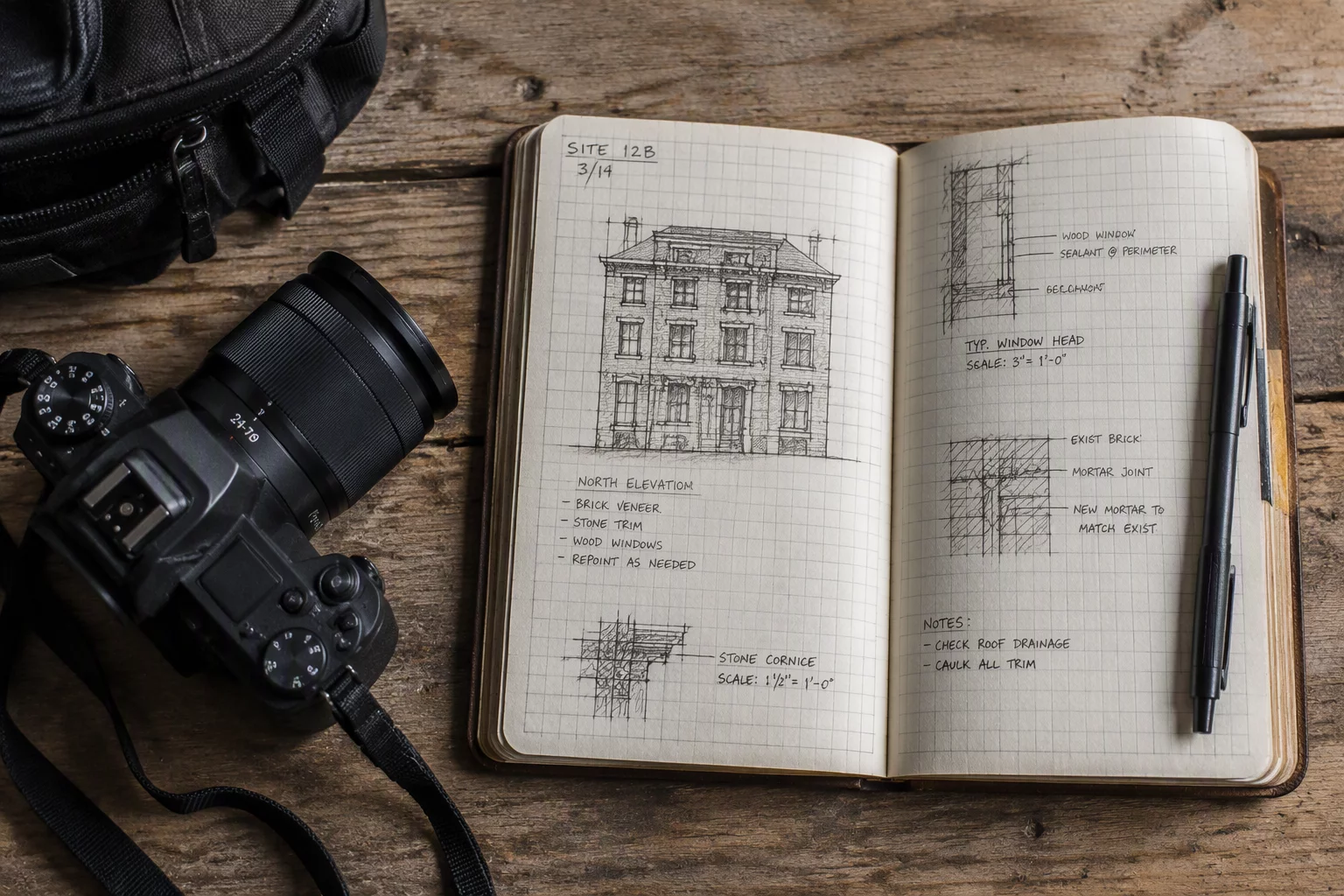
Photo Context Basics
Foundational rules for capturing orientation, structural relationships, and environmental settings during inspection.
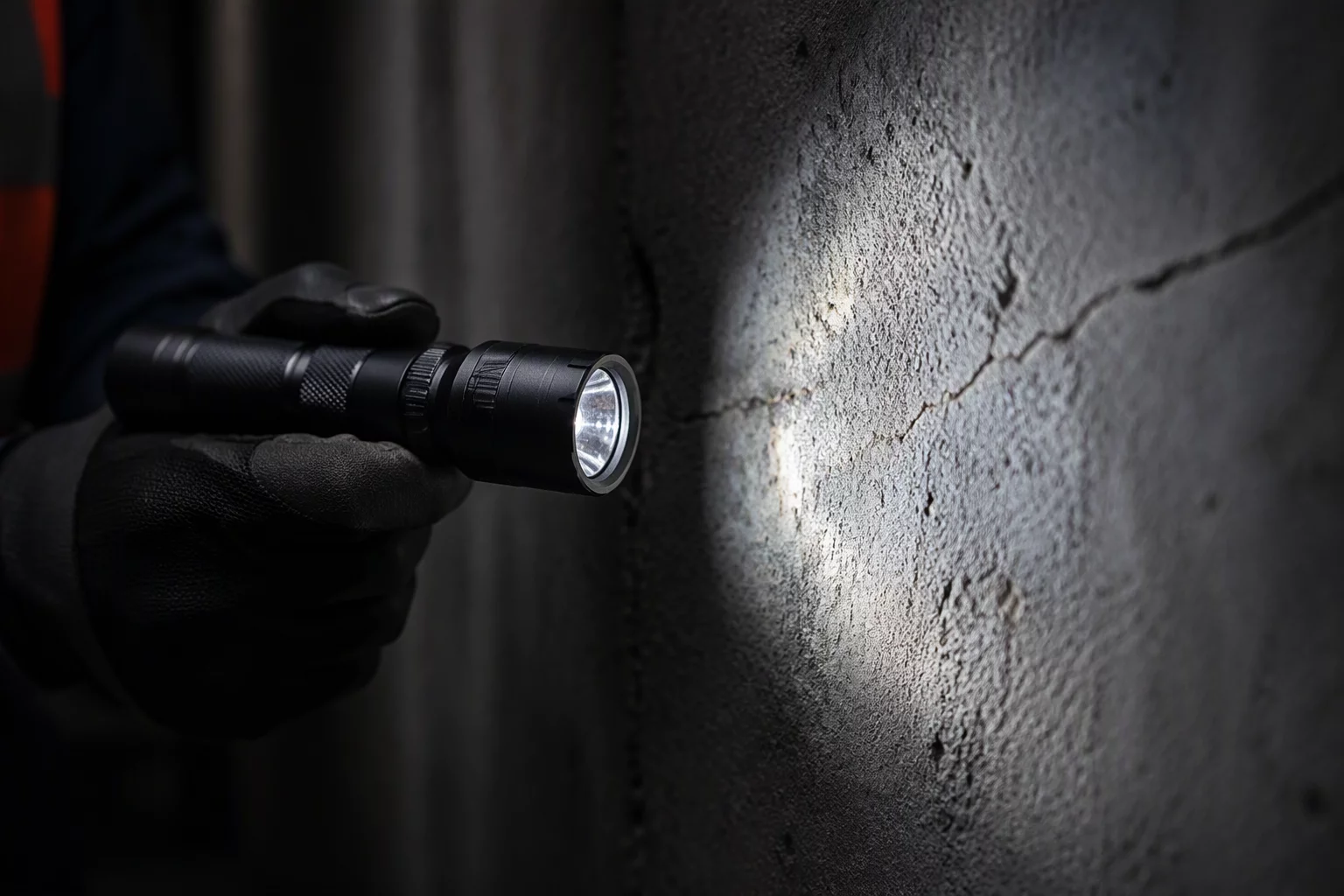
Lighting for Damage Photos
Raking light techniques and exposure balancing to highlight surface fractures, moisture patterns, and impact marks.
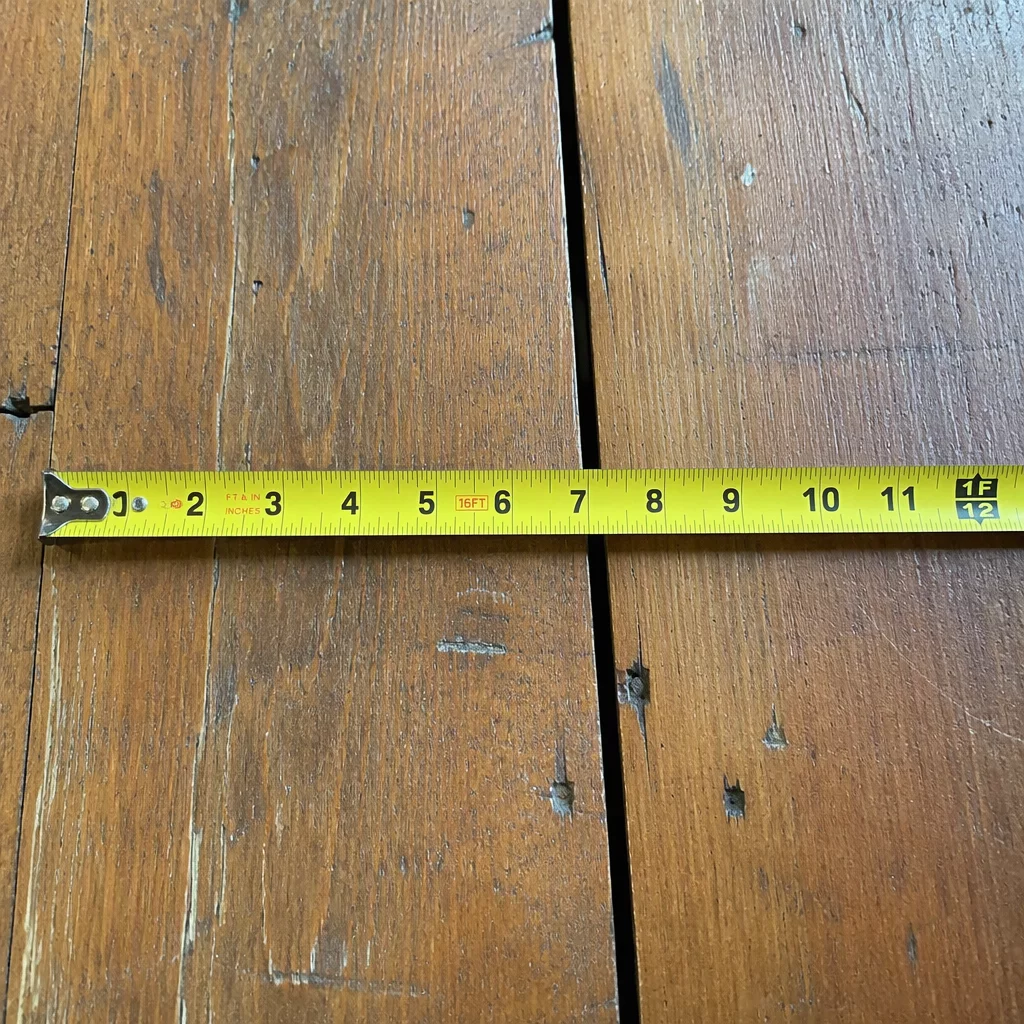
Capturing Dimensions
Standardized scale markers, rulers, and reference framing to prove physical measurements in line item estimates.
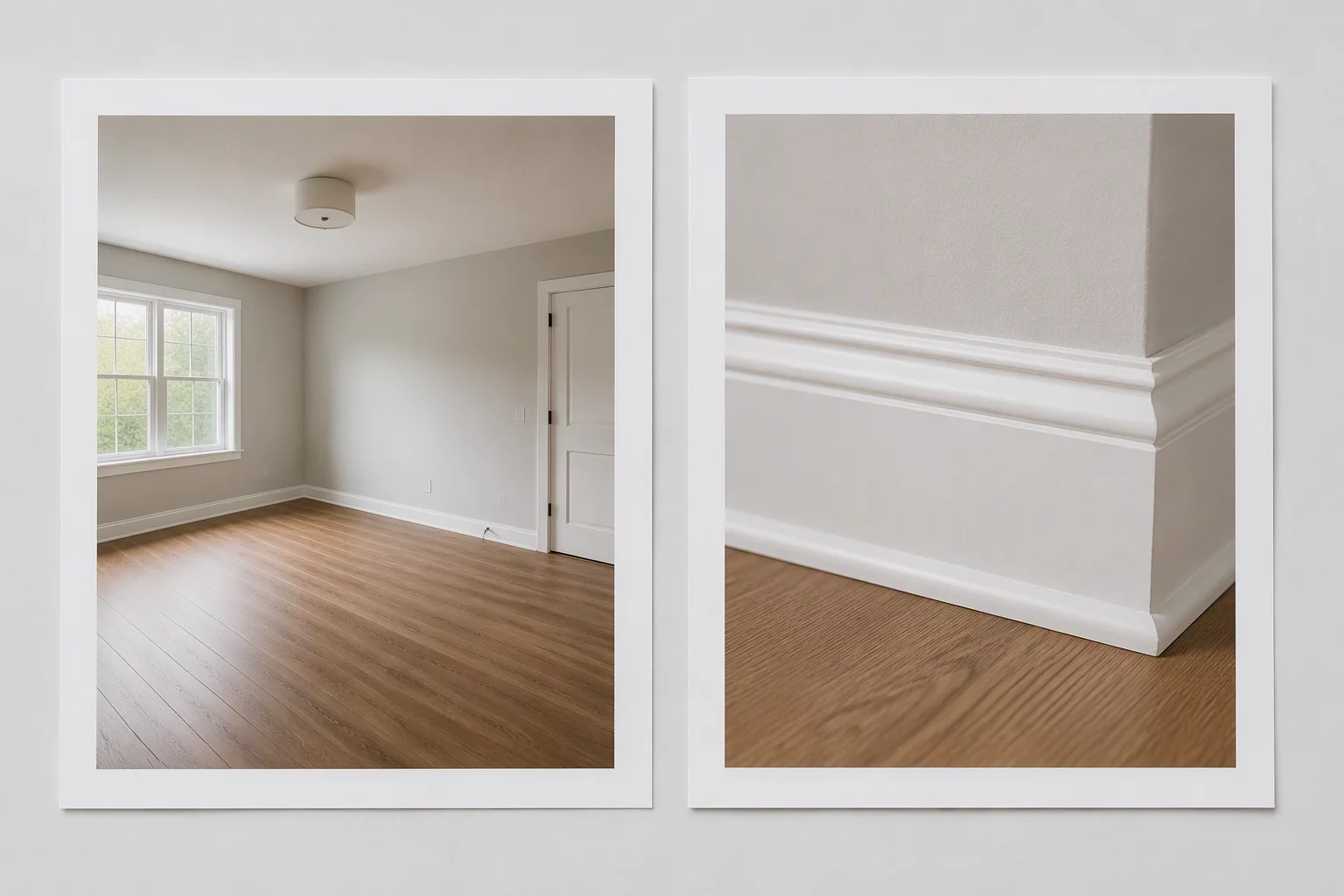
Overview vs Detail Shots
Implementing the tripartite macro-medium-micro lens progression for unequivocal structural proof.
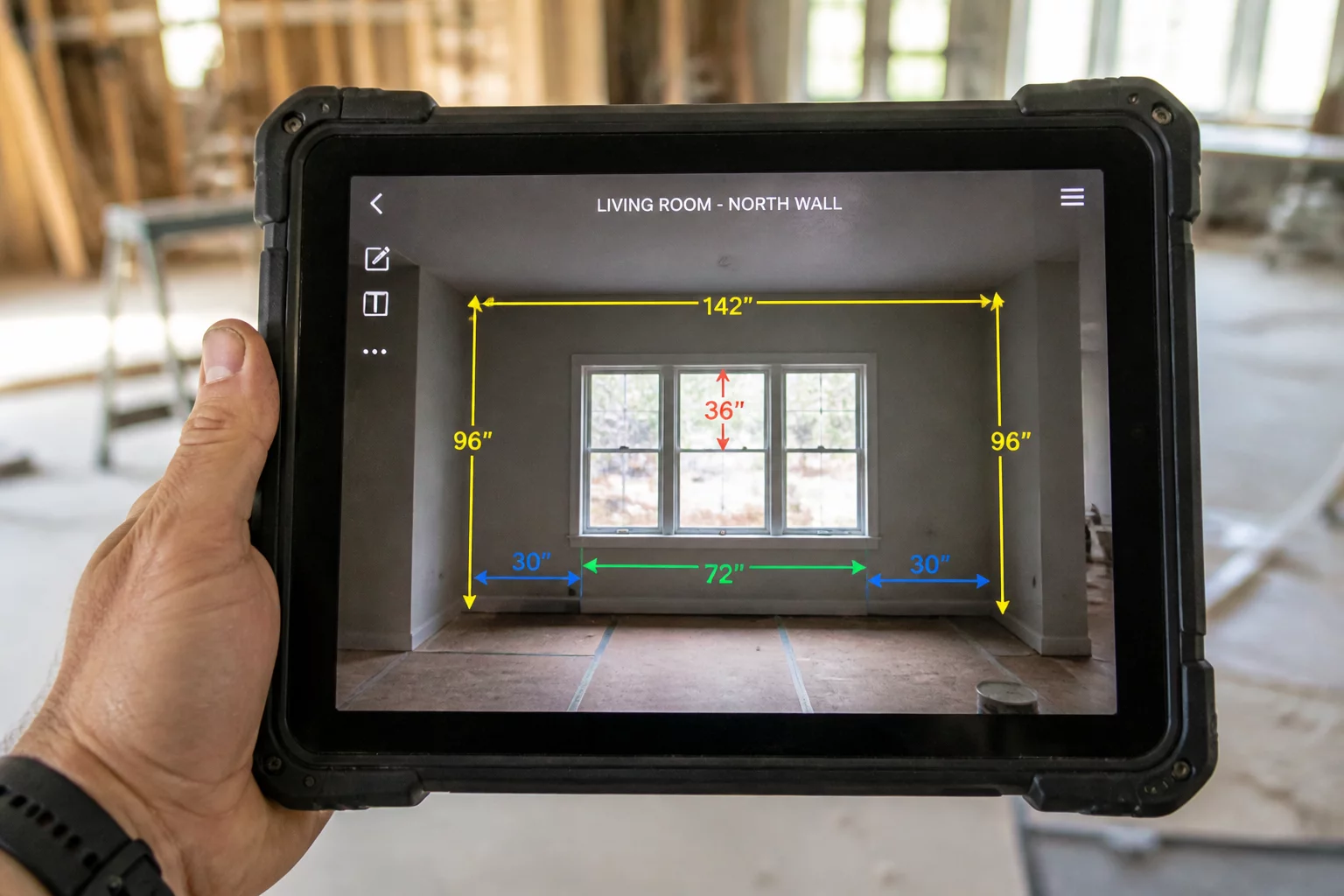
Annotating Field Photos
Applying non-destructive visual callouts, directional indicators, and technical references without obscuring evidence.
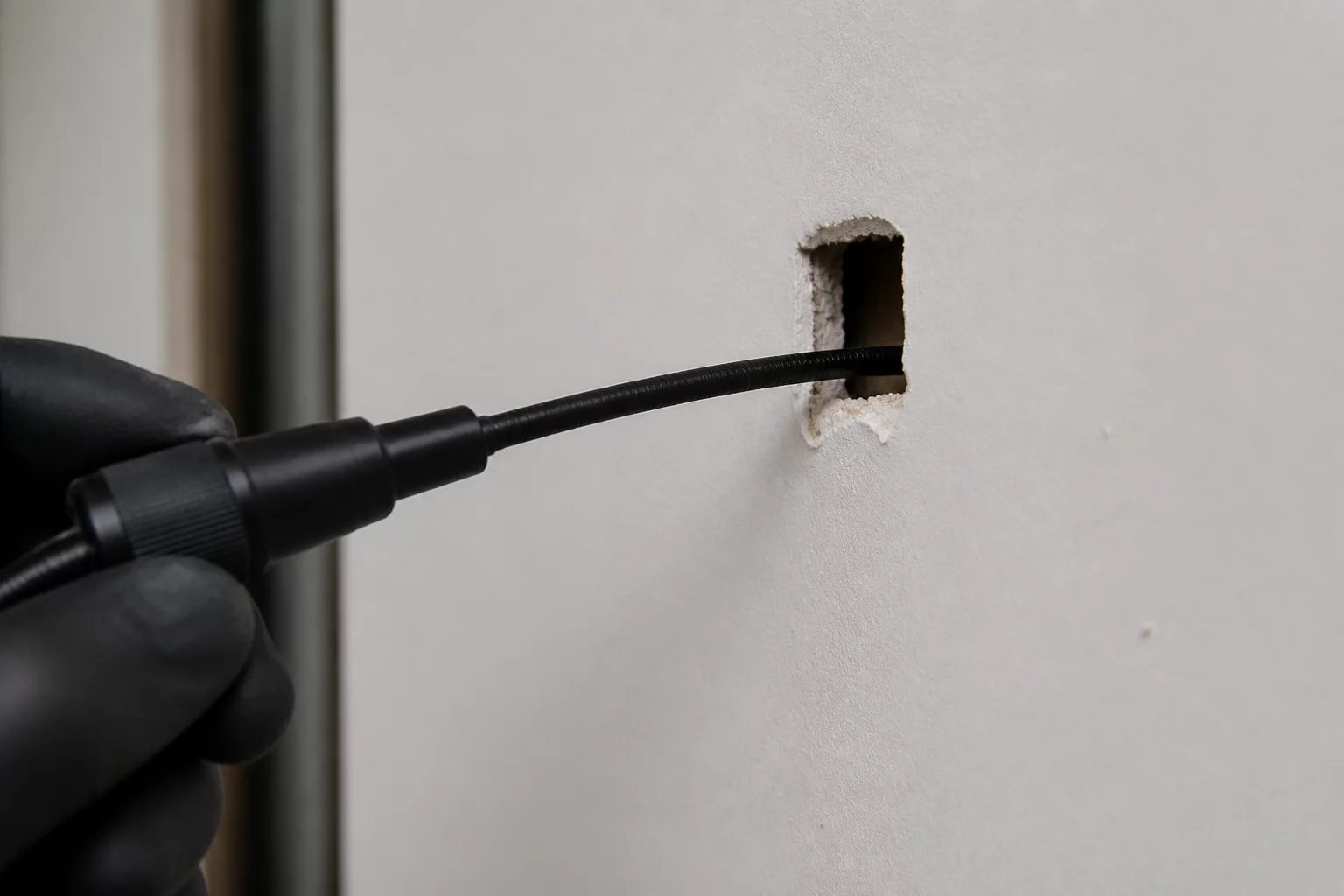
Documenting Hidden Damage
Methods for recording behind-wall cavity conditions, insulation degradation, and subsurface framing rot.

Material Identification
Visual evidence standards for material grade, stamp markings, gauge thickness, and manufacturing specifications.
Sequence Photography
Logical chronologies for continuous walk-through recordings from property entry to isolated defect areas.
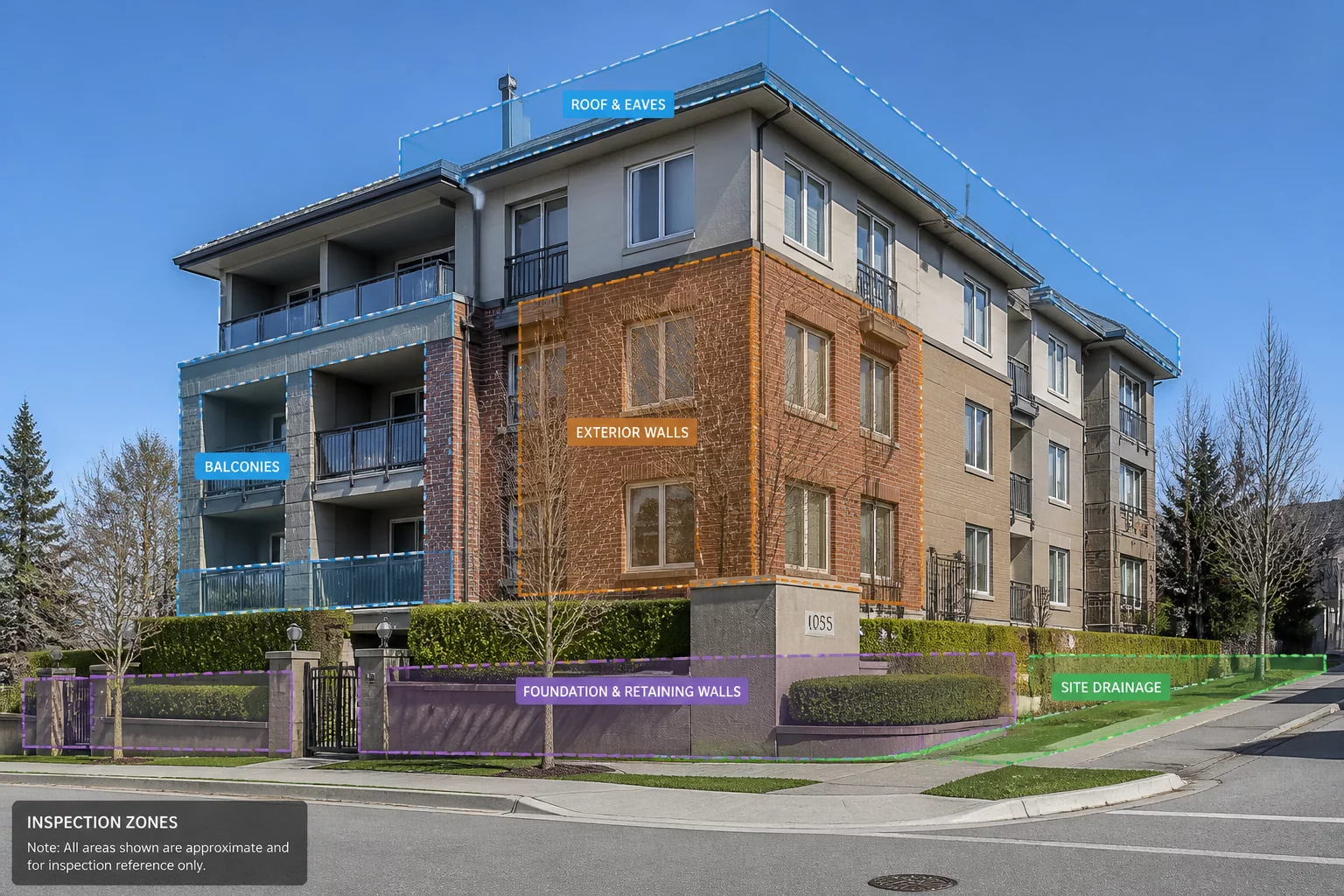
External Elevation Context
Capturing directional compass elevations, slope exposures, and grade slopes to validate storm trajectories.
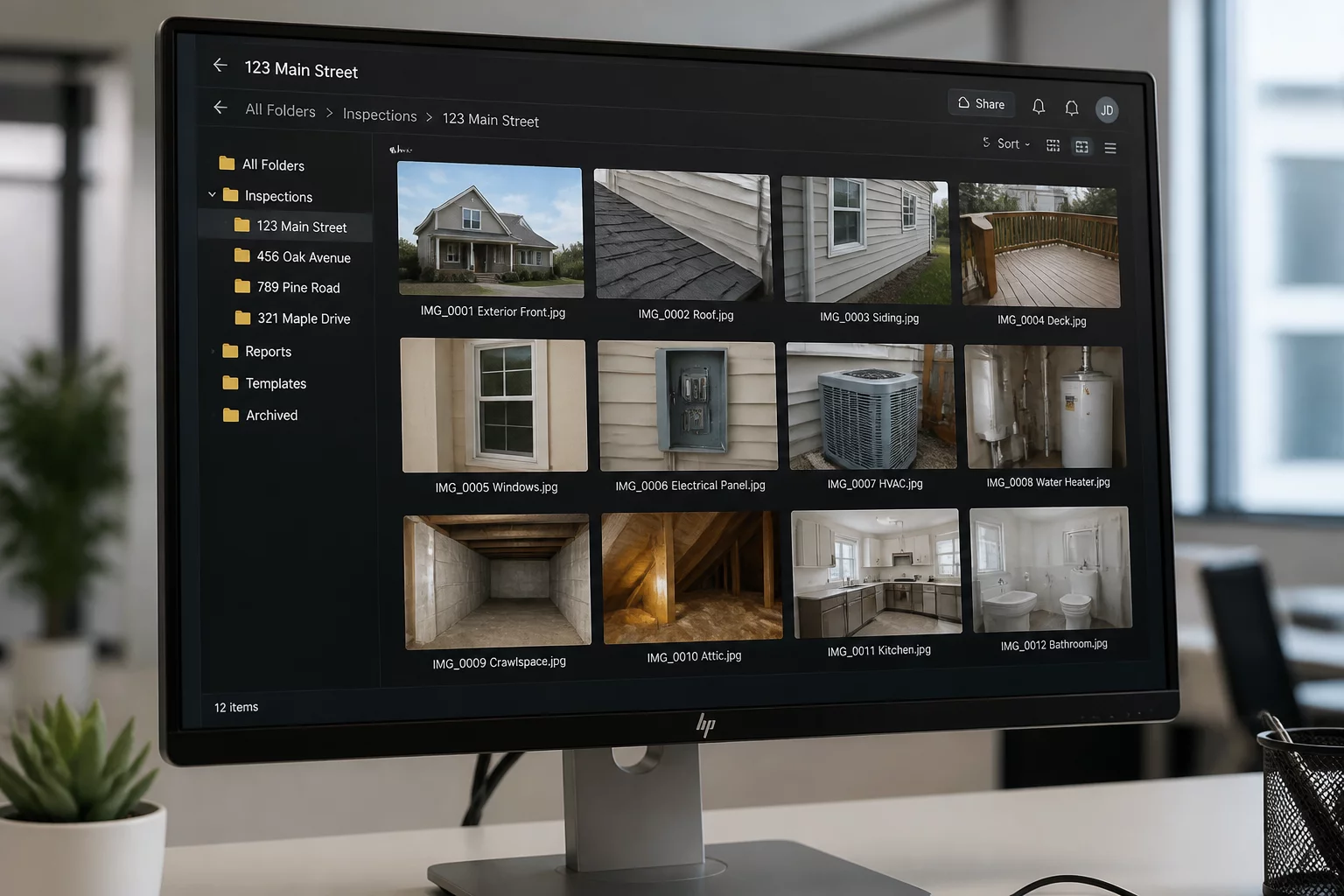
Organizing Digital Evidence
Metadata indexing, structured file nomenclature, and cloud cataloging workflows for instant auditor retrieval.
The Three Pillars of Field Photography
Every photograph captured during an on-site physical inspection must fulfill verifiable evidentiary standards before being linked to estimating software.
Spatial Orientation
Establishing location anchors and room context so technical auditors can immediately pinpoint the precise origin of damaged assemblies.
Dimensional Scale
Including physical measuring tapes, gauge markers, or calibrated scales within the frame to verify material thickness and damaged area sizes.
Sequential Narrative
Maintaining chronological inspection progressions to eliminate ambiguity regarding causation, path of travel, and progressive degradation.