Key Takeaways & Protocol Essentials
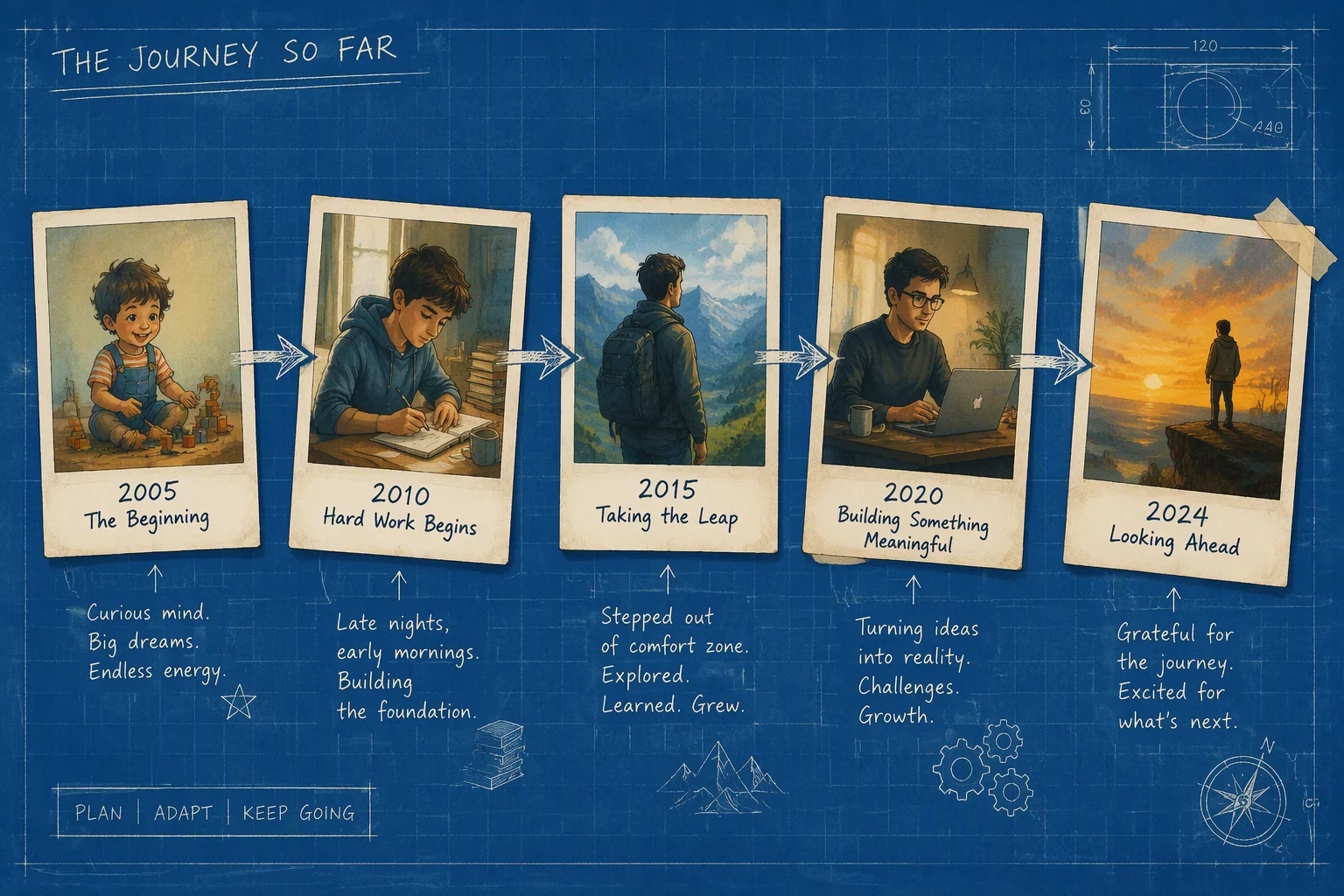
- Progressive photo chains must bridge wide orientation views with tight structural damage close-ups.
- Consistent travel direction prevents spatial disorientation during subsequent third-party desk audits.
- Temporal ordering directly supports line-item sequencing in repair scope documentation.
The Purpose and Value of Sequence Photography in Field Audits
Sequence photography establishes an unbroken visual narrative across inspected building assemblies. When an estimator or claims reviewer examines isolated detail shots, the absence of intervening context often creates skepticism regarding exact damage locations. By recording progressive steps from external perimeter markers into specific interior rooms, an inspector creates a verifiable trail that substantiates every downstream line item.
Structural transitions and elevation shifts become unmistakable when photographed in a systematic order. The technique prevents duplicated counts, clarifies whether multiple rooms share identical trim profiles, and ensures that material transitions are recorded exactly at boundary lines. In thorough estimate scope review workflows, these sequence chains serve as primary evidence against arbitrary scope reductions.
Key Rules for Consistent Field Sequences
Maintain a uniform clockwise rotation through every room to maintain continuous orientation for desk adjusters and scope reviewers.
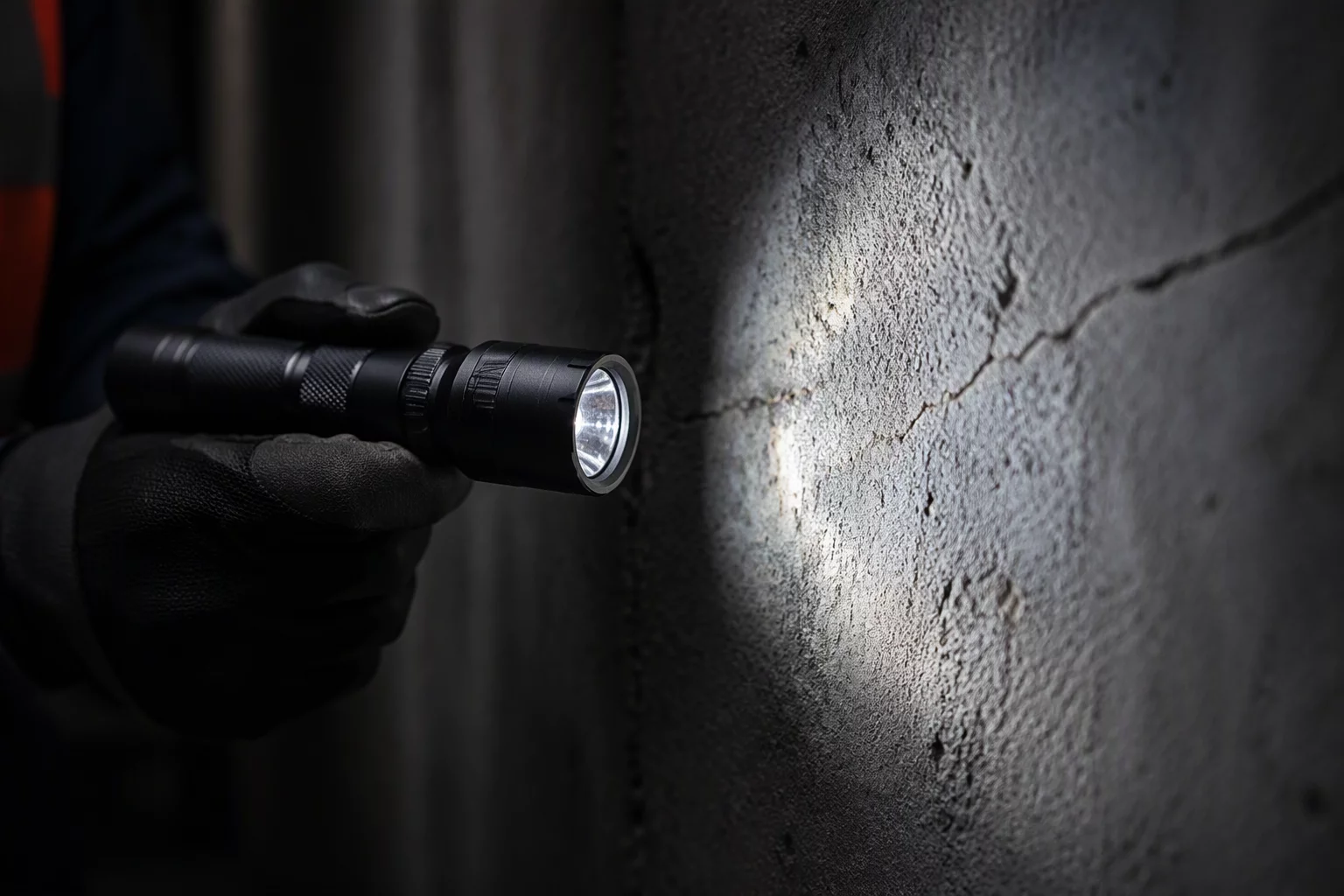
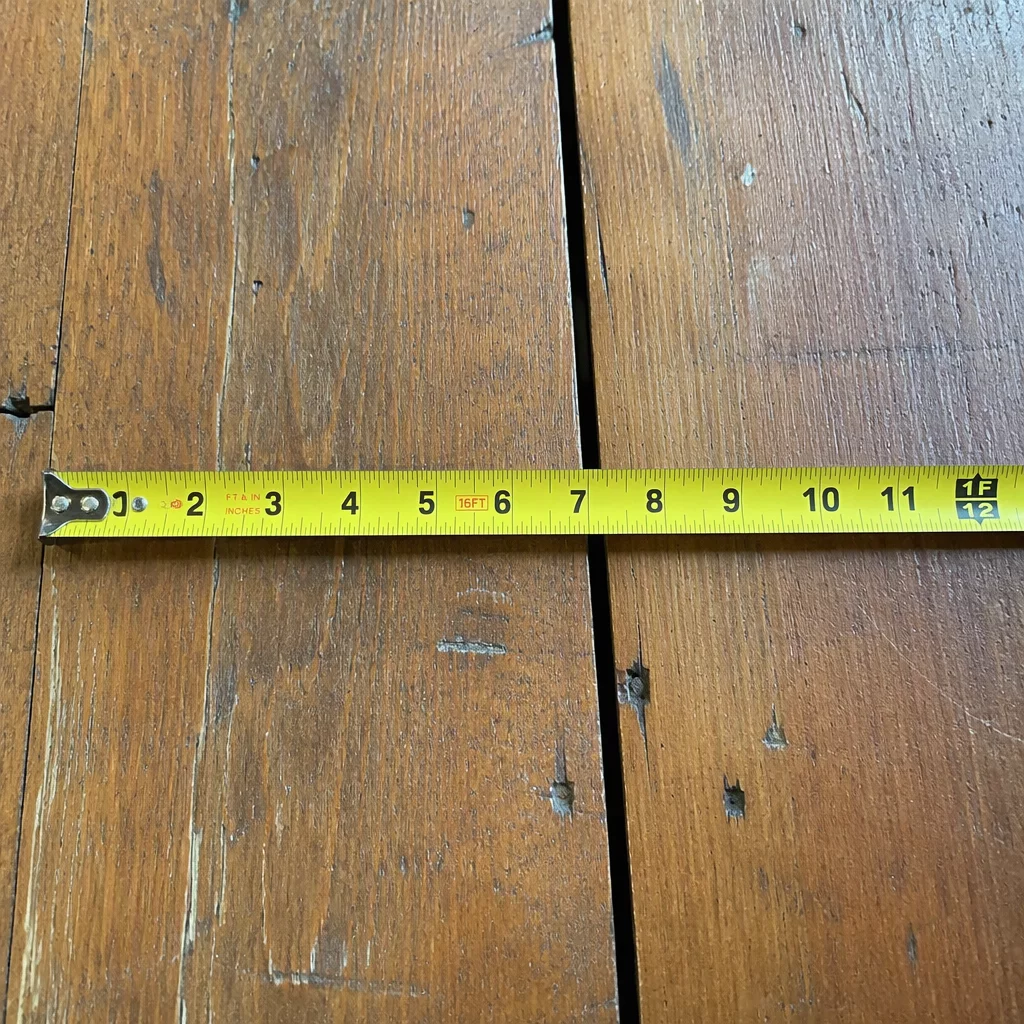
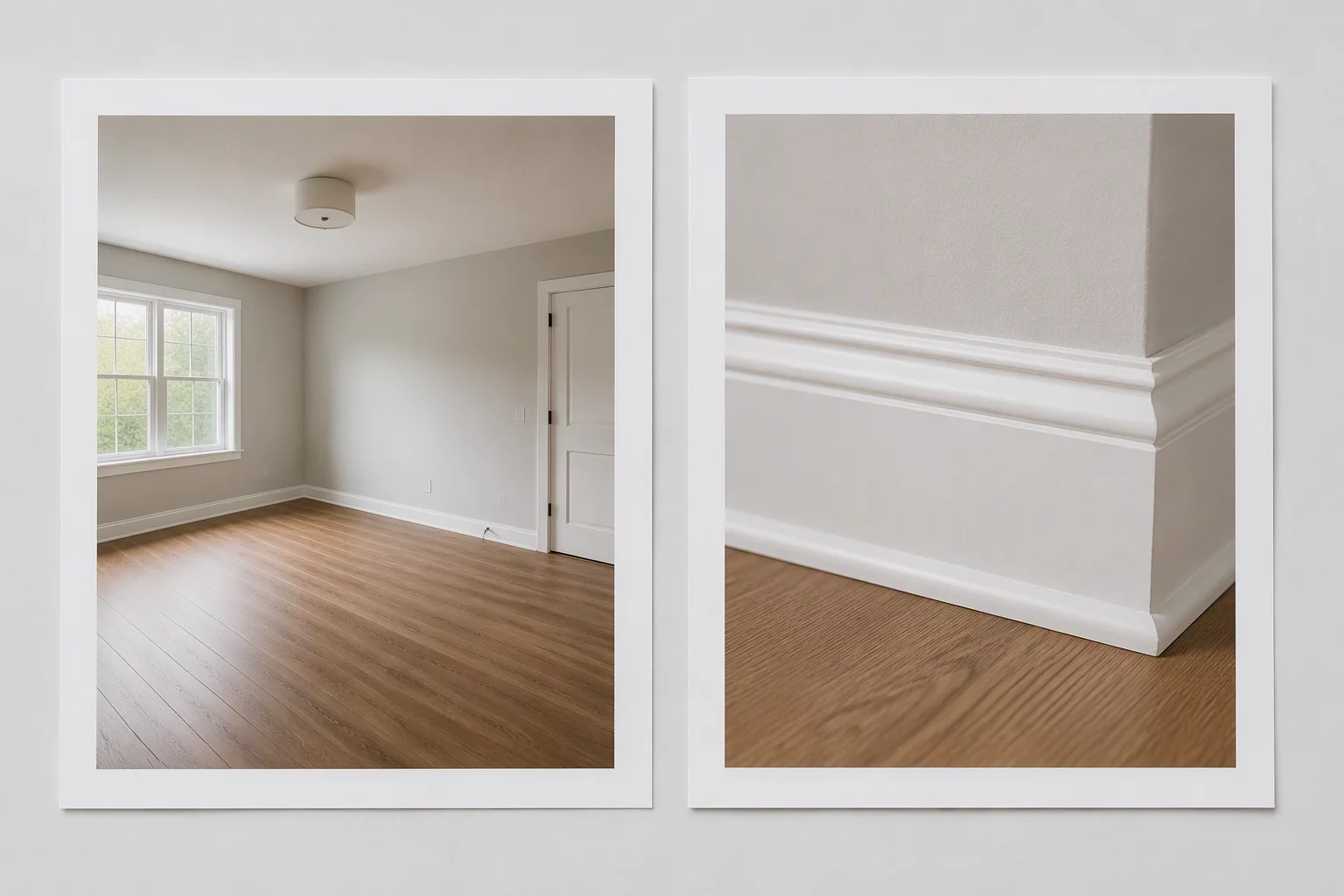
Capture a wide room view, a medium transition perspective, and a tight macro shot with measurement reference for each impacted component.
Photograph every threshold or doorway before entering, anchoring each interior space to the preceding corridor or adjacent elevation.
Connecting Physical Sequences to Scope Reasoning
Digital photo logs often suffer from disorganized uploads where photos appear out of logical room sequence. When field inspectors systematically execute sequence photography, the resulting photographic inventory aligns directly with the hierarchical tree of the estimate. Every wall section, ceiling opening, and continuous floor plane is introduced in physical order before detailed line items are recorded.
“Unbroken sequence photography turns disconnected field photos into indisputable physical proof, eliminating guesswork during scope review.”
In complex claims involving water migration or multi-plane roof impact, chronological sequencing preserves the directional path of damage. Reviewers can follow the water entry point down through framing cavities to the finished floor assembly without wondering if intermediate cavities were inspected or skipped.
Recommended Capture Sequence Matrix
| Sequence Phase | Camera Framing & Angle | Scope Evidence Objective |
|---|---|---|
| 1. Overview Anchor | Wide angle from doorway at eye level | Identifies room geometry, lighting conditions, and undamaged perimeter boundaries. |
| 2. Spatial Intermediate | Medium shot (4–6 ft distance) showing surface junctions | Proves location of affected material relative to permanent room fixtures. |
| 3. Contact Detail | Close-up with scaled gauge or probe | Documents exact material thickness, failure mode, and physical degradation. |
Field Inquiries & Observations
No field notes or observations yet. Be the first to leave a comment.
Submit a Field Note or Feedback
Share your site observation insights or questions regarding this methodology.