
Key Takeaways & Protocol Essentials
- Evidence standards eliminate guesswork by anchoring every proposed repair scope line item to verifiable physical proof.
- Multi-angle photography combined with direct physical measurement establishes an undeniable baseline for line-item review.
- Standardized documentation protocols streamline appraisal discussions and resolve scope discrepancies before escalation.
Core Principles of Evidentiary Hierarchy
In professional estimate scope review, the integrity of any repair scope documentation depends upon the robustness of the supporting evidence. Without systematic standards, field notes become subjective interpretations rather than defensible records. Establishing an evidentiary hierarchy guarantees that each observation connects directly to measurable physical traits, verifiable assembly rules, and standard trade practices.
Field technicians must substantiate not only that damage exists, but precisely how far that impact radiates through adjacent building assemblies. Establishing evidence standards early prevents contested transitions, reduces administrative friction, and creates transparent Xactimate scope context for all reviewing stakeholders.
Three Foundational Proof Tiers
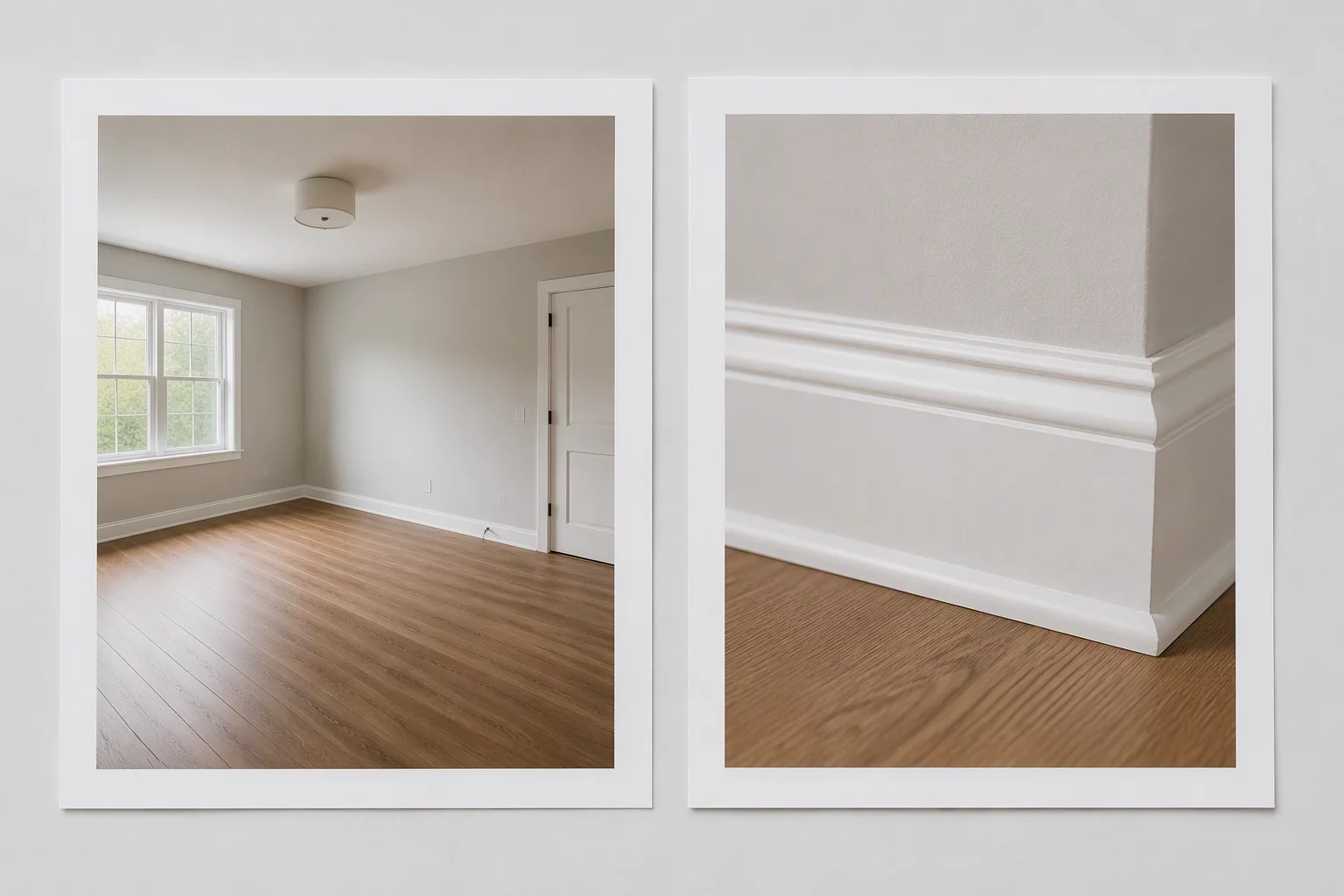
Wide-angle perimeter shots and structural orientation markers establish overall room geometry and identify baseline environmental factors.
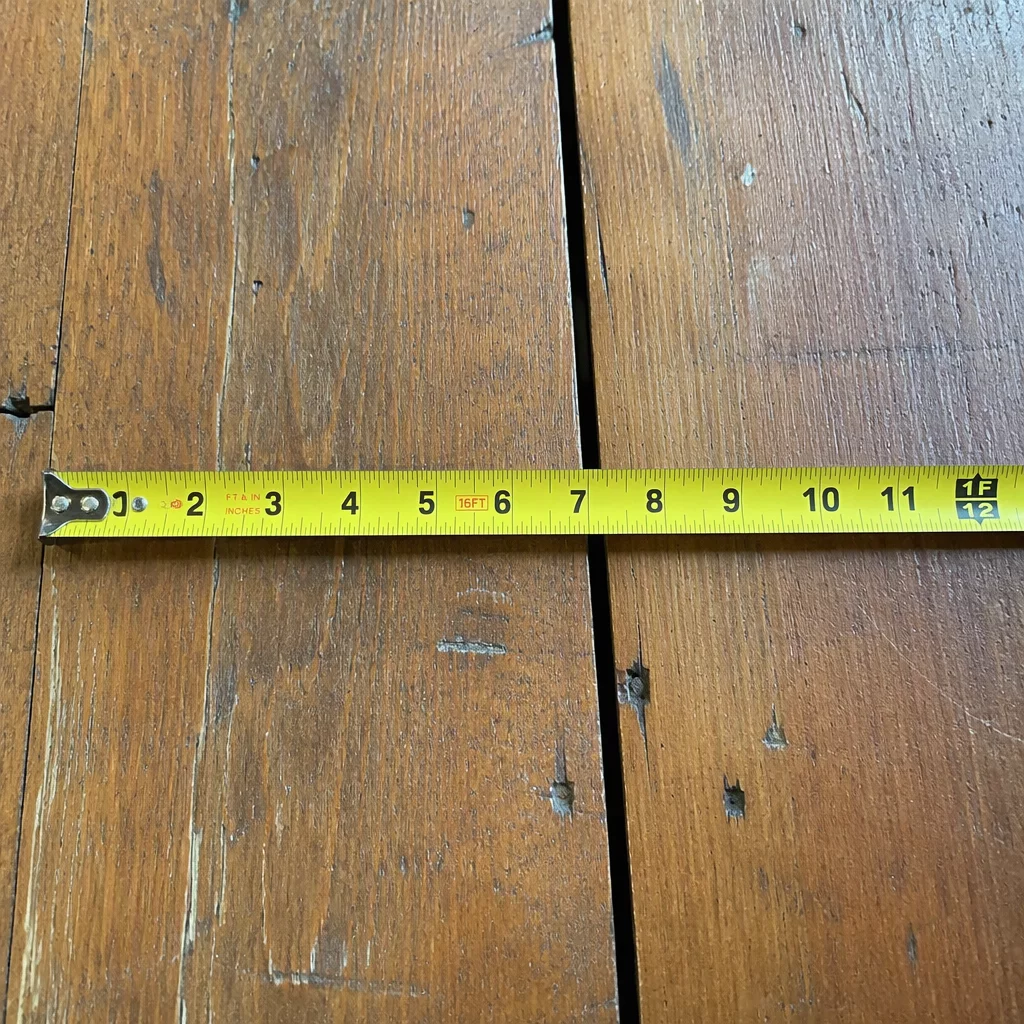
Close-up shots featuring physical gauges, calipers, or tape measures establish material grade, thickness, and direct linear impact.
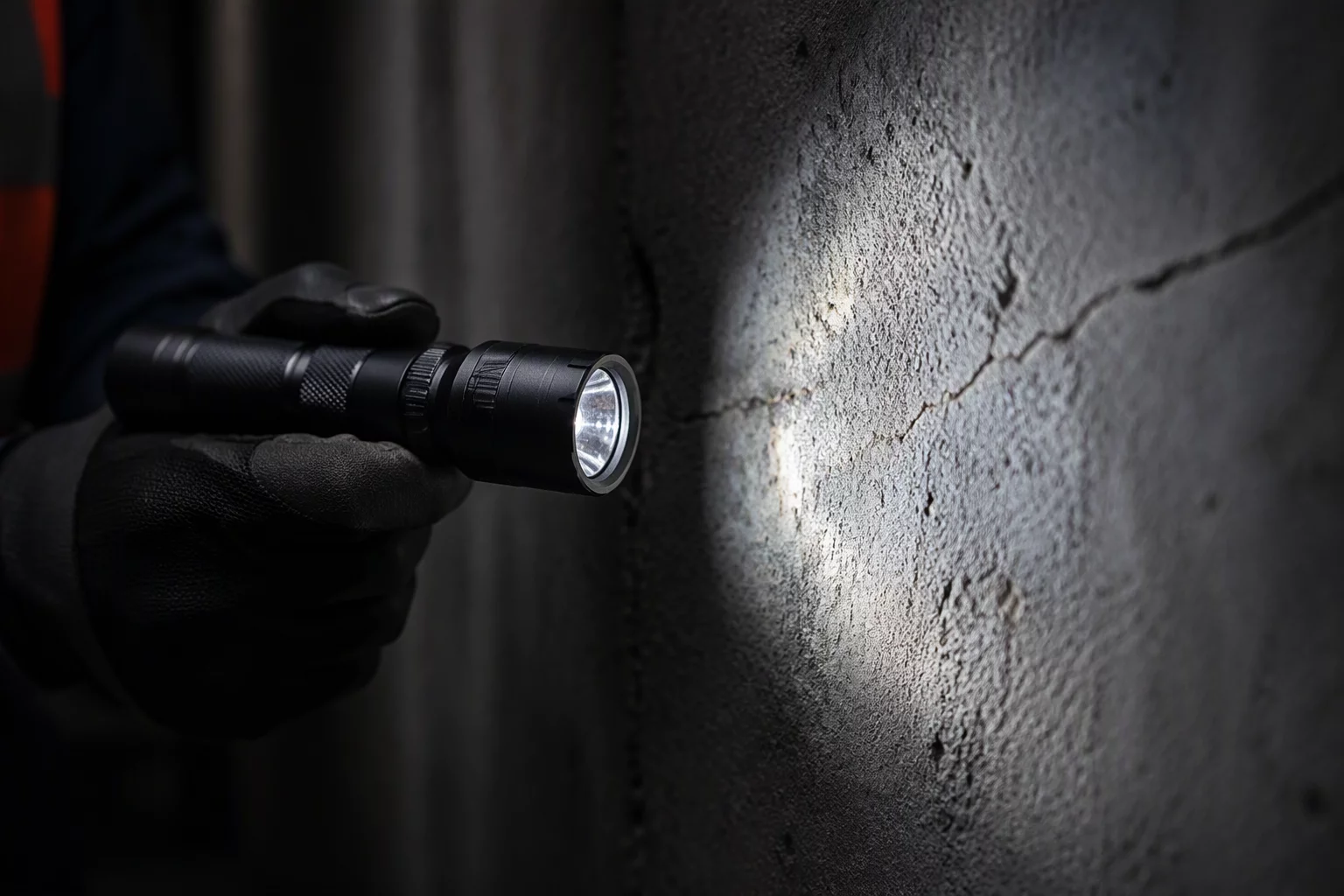
Moisture readings, thermal gradients, and cavitational inspections prove whether contiguous building components are structurally compromised.
Correlating Damage Traces with Scope Items
Every distinct entry in an estimate requires contextual substantiation. When reviewing line items like drywall removal or continuous finish replacement, auditors examine the trail of evidence. If a scope item calls for detaching cabinetry or replacing hardwood across a threshold, the physical record must exhibit the underlying condition compelling that method.
“An unverified scope line item is merely an opinion. Grounded photographic and tactile proof transforms that line into an unquestioned technical fact.”
Aligning technical proof with standardized item descriptions prevents over-scoping while ensuring legitimate structural necessities are never omitted during scope evaluation.
Verification Matrix & Standards Guide
| Scope Category | Mandatory Evidence Requirement | Primary Audit Trigger |
|---|---|---|
| Structural & Framing Elements | Deflection gauges, square checks, and wide orientation spans | Load-bearing boundary verification |
| Interior Finish & Millwork | Profile caliper readings, joint separation macros, moisture mappings | Continuous replacement justification |
| MEP Assemblies & Rough-Ins | Component labeling plates, schematic traces, circuit integrity notes | Code conformity & detached repair limits |
Field Inquiries & Observations
No comments yet. Be the first to submit a field observation or feedback.
Submit a Field Note or Feedback
Share your site observation insights or questions regarding this methodology.