Key Takeaways
- Every scope statement must trace back to a physical observation and forward to an estimate line item.
- Record the boundary logic explicitly — the next reviewer cannot verify what was never written.
- Attach the evidence that would falsify the decision, not only the evidence that supports it.
Why 'Replace' Fails Review
'Replace baseboard' sounds complete and answers almost nothing. Which profile? Which grade? Is the shoe separate? Does 'replace' include finishing, and does the wall above get touched? Every one of those questions is a potential scope dispute, and the word 'replace' answers none of them.
A reviewer cannot verify a verb. They can only verify a specification. The difference between the two is context — the four qualifiers that attach physical meaning to the line item.
The Four Context Qualifiers
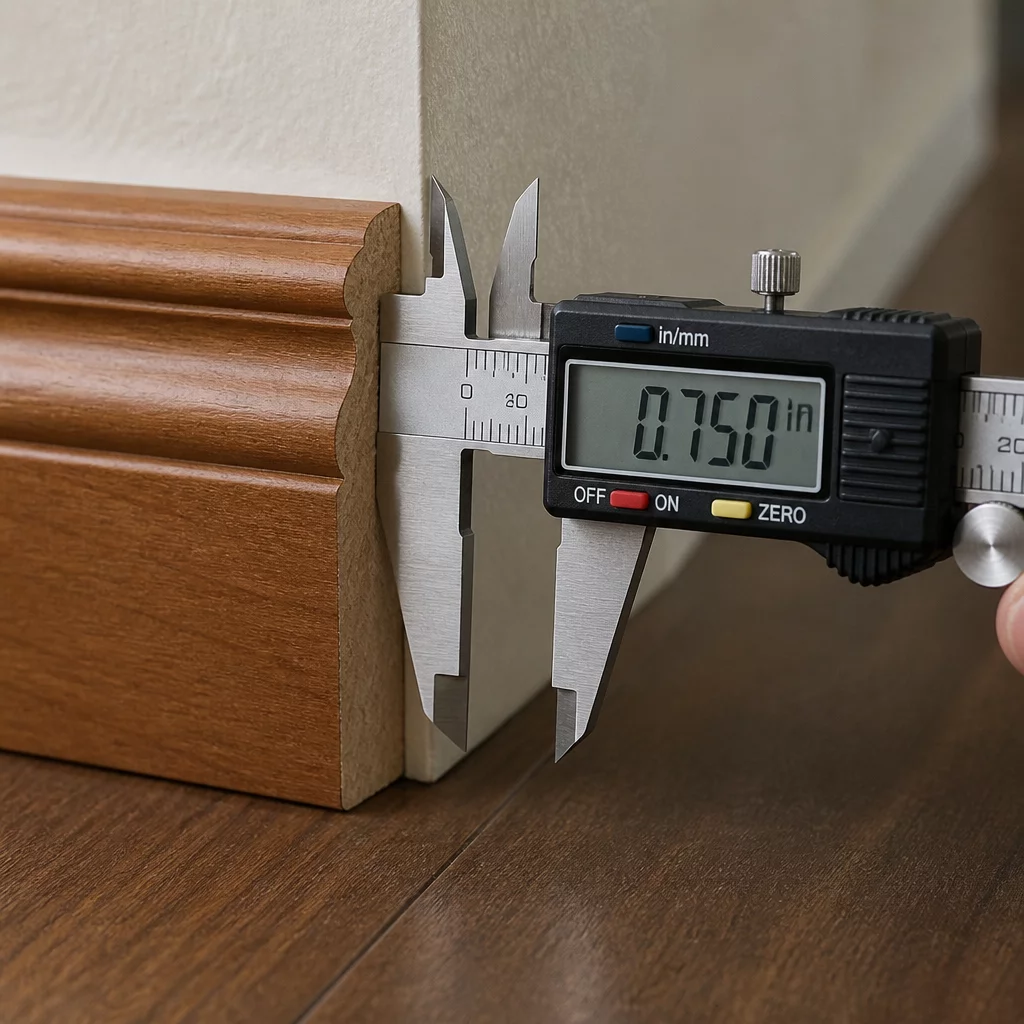
Profile, dimension, species or grade of the replacement — anchored to a caliper photo or manufacturer reference.
How much gets replaced and where it stops — the boundary, not just the verb.
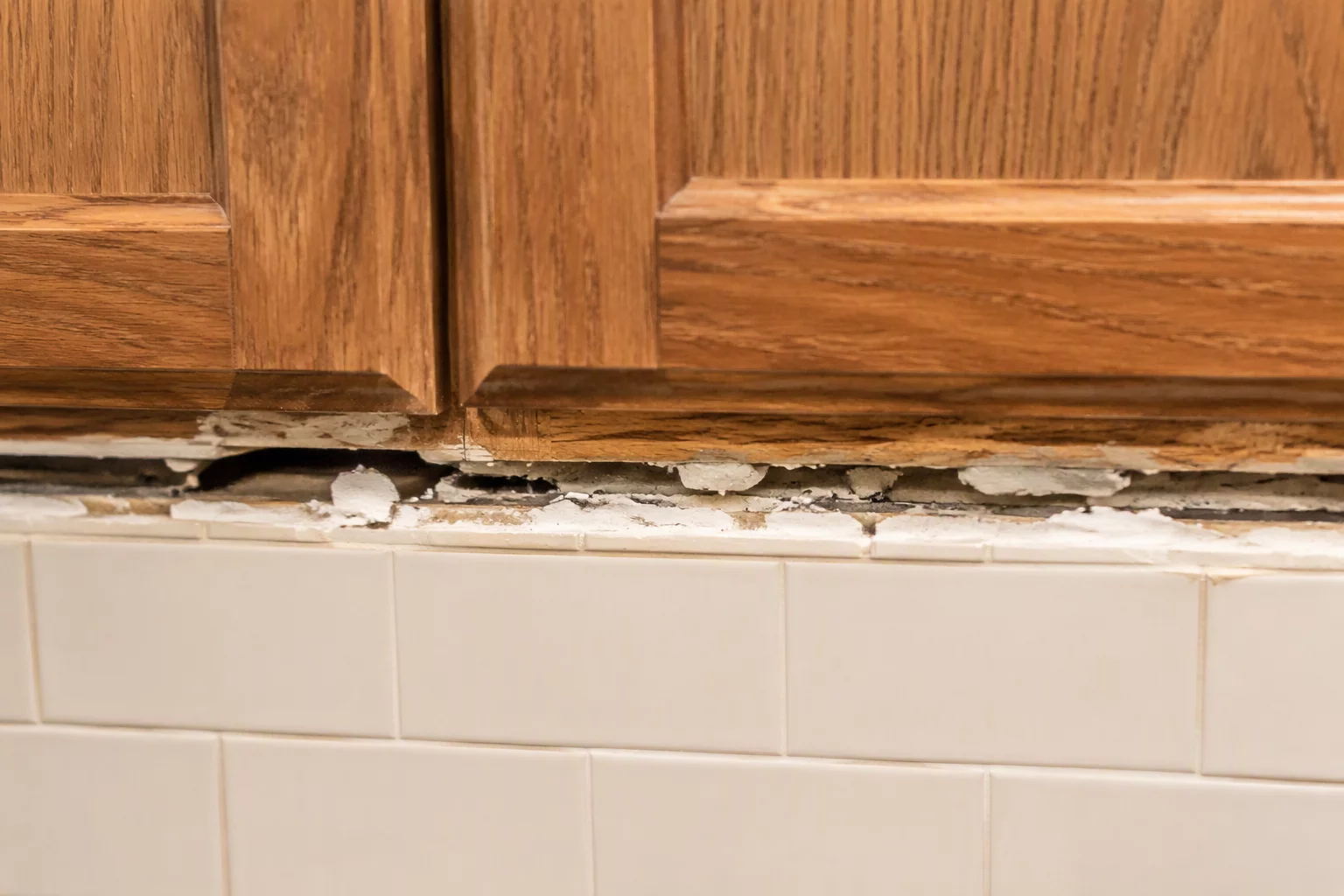
What happens to the material touching the replaced item — caulk, paint, casing, adjacent trim.
Whether the removed material is detached for reset, discarded, or retained for matching.
Detach-and-Reset vs Replace
The most common ambiguity is the swap between 'replace' and 'detach and reset'. A scope that says 'replace' when the field note said 'carefully removed intact' has silently changed the work. The reverse — reset specified but replacement needed because the profile is discontinued — is just as wrong.
The context note resolves this in one line: 'Detach intact for reinstallation — profile discontinued, matching risk documented' or 'Replace with matched profile X, caliper-verified'. The verb gains its qualifiers and the line item becomes checkable.
'Replace' is a placeholder. The context around it is the actual scope.
Replace Context Grid
| Qualifier | Question Answered | Field Evidence |
|---|---|---|
| Match specification | What exactly goes back in | Caliper photo, profile ref |
| Extent statement | How much and where it stops | Boundary frame + sketch |
| Adjacent handling | What happens next to it | Transition photo + note |