Key Takeaways & Protocol Essentials
- Continuous tile backsplash overlap creates high risk of mechanical surface failure during upper box detachment.
- Explicitly document custom scribe moldings, concealed brackets, and perimeter silicone beads prior to specifying detach vs replace.
- Accurate Xactimate scope context requires physical verification of sub-counter anchor plates and solid surface integrity.
Site Investigation: Navigating Custom Cabinetry and Tile Interfaces
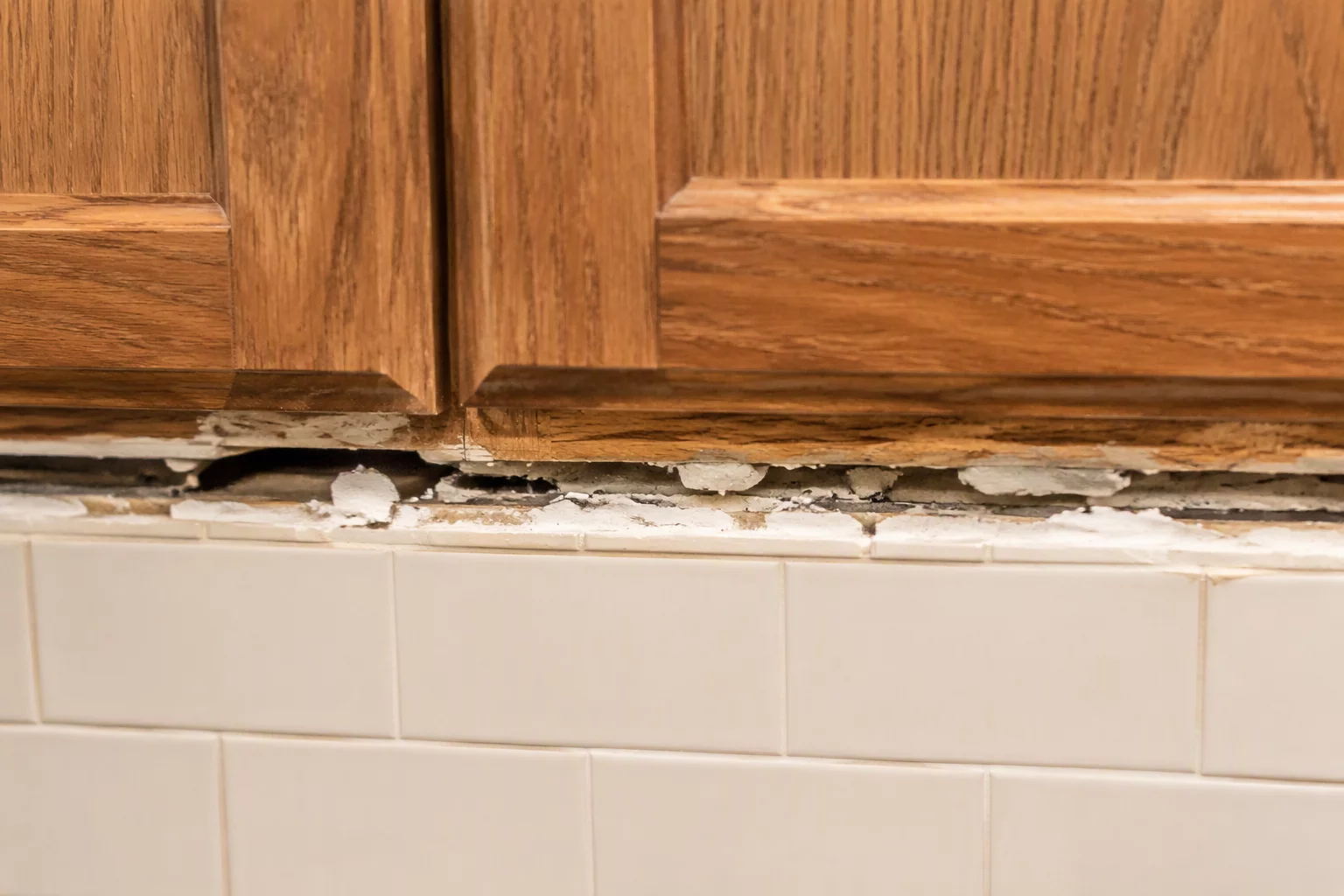
During our on-site inspection of the residential kitchen assembly, field notes revealed a complex boundary between standard unit cabinetry and fully custom, floor-to-ceiling installations. The initial work order listed simple detach and reset line items without accounting for the structural integration of the custom perimeter. When cabinetry is mechanically bonded to substrate drywall with heavy adhesive mastic and locked beneath a full-height tile backsplash, attempting simple detachment frequently triggers collateral substrate failure. Comprehensive repair scope documentation must capture these micro-level attachments before specifying trade activities.
We conducted high-angle inspections along the top rails and interior face frames. Solid cherry upper boxes were joined with hidden blind pocket screws rather than modular knock-down fasteners. Our estimate scope review established that standard linear foot detach rates failed to account for the meticulous disassembly sequence required to protect the adjacent handmade ceramic tiles.
Core Detachment Risk Parameters
High-tack construction adhesive along back rails prevents clean release from gypsum wallboards without localized wall destruction.
Lower trim molding sits embedded 3/8 inch behind the bottom edge of vitreous tile, creating direct shear points during lifting.
Granite slabs mechanically epoxied to top cabinet webs prohibit independent box removal without prior countertop reset protocols.
Dissecting Scope Boundaries in High-Value Kitchens
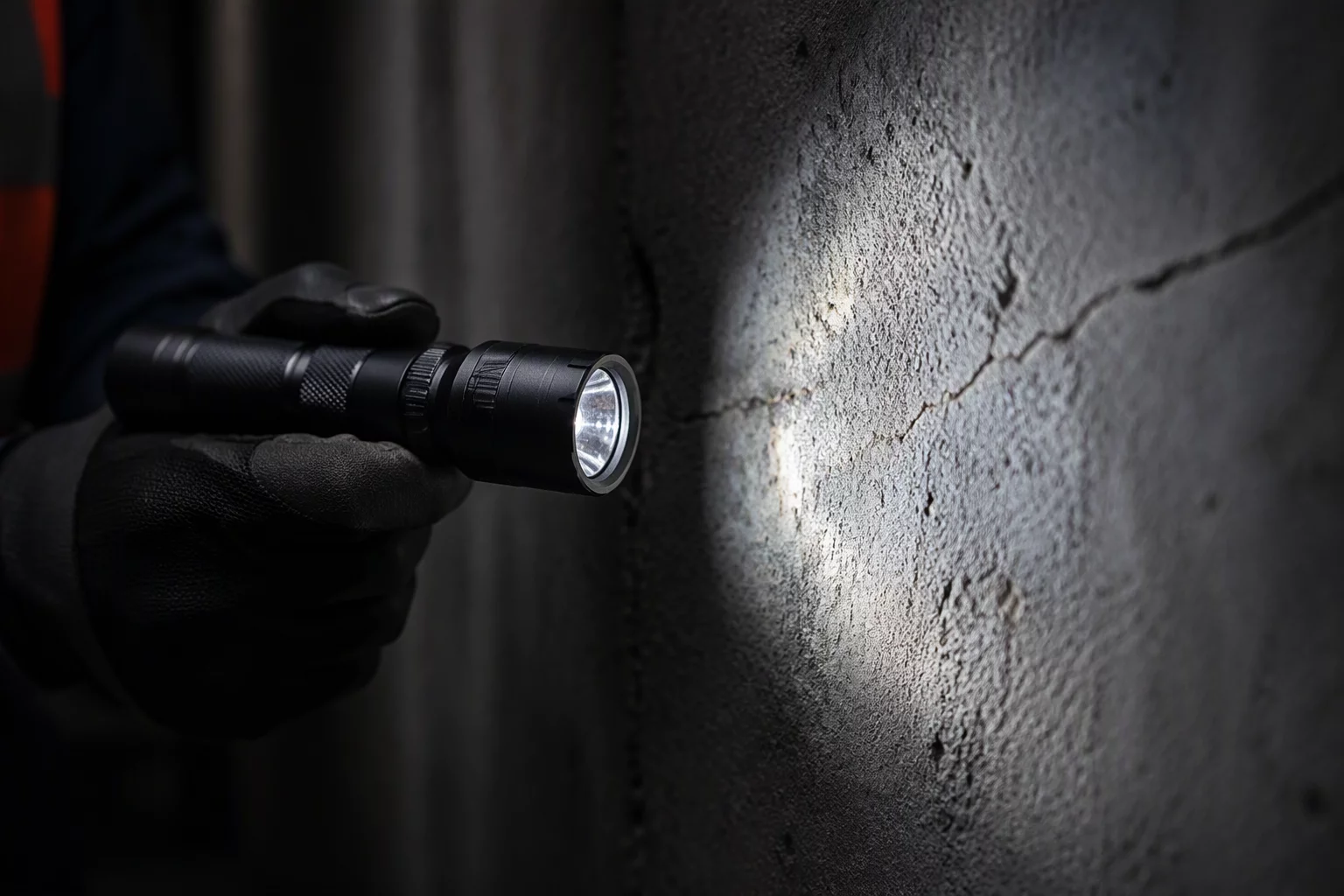
Disentangling connected materials requires rigorous field photo verification. A common oversight occurs when line items isolate the kitchen lower units while ignoring the quartz perimeter, under-cabinet lighting circuits, and embedded plumbing supply lines. Establishing proper Xactimate scope context demands that every physical trade dependency is documented with sequential visual evidence.
Without clear photographic proof of rear structural fastening and adhesive overlap, scope reviews default to generic detachment assumptions that compromise repair execution.
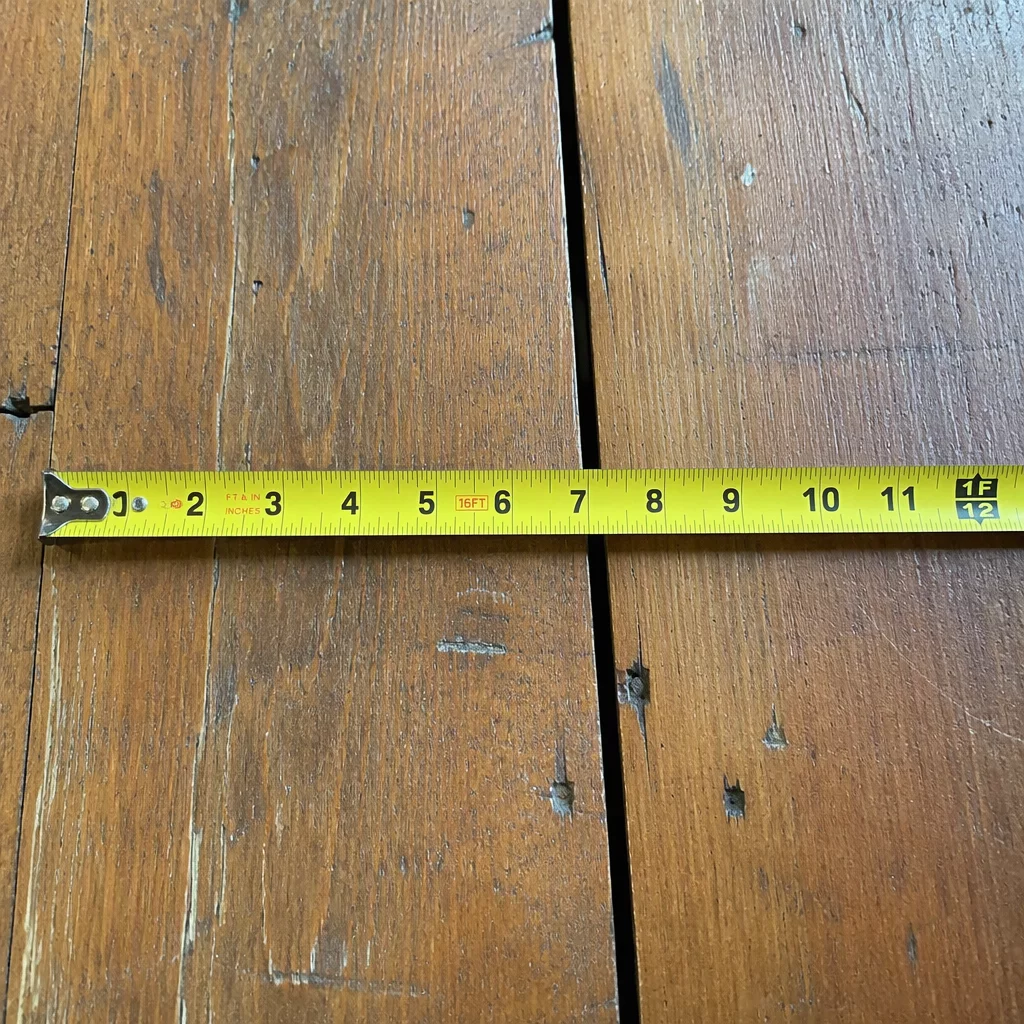
By providing clear elevation shots and caliper measurements of trim seams, our field inspectors substantiated the exact labor sequence. The resulting audit documentation eliminated ambiguity, ensuring the repair scope documentation accurately reflected the necessary detachment safeguards, localized wall repair, and electrical isolation steps.
Technical Specifications & Removal Methodology Matrix
| Cabinetry Element | Field Interface Challenge | Recommended Documentation Standard |
|---|---|---|
| Upper Wall Units (Double Box) | Concealed blind fasteners with continuous crown molding overlap | Macro photos of face frame joints and ceiling crown miters |
| Base Island Assemblies | Electrical conduit penetration through bottom deck and finished end panels | Internal deck photos showing rough-in wiring and anchor blocks |
| Perimeter Sink Base | Adjoining stone countertop with continuous under-mount epoxy bond | Undermount joint profile shots detailing bracket placement |
Field Inquiries & Observations
Eleanor Vance
Field Observation Lead • 09/08/2026
The thorough line-item trace and photographic cross-referencing provided absolute clarity on the scope. It completely eliminated ambiguity during our appraisal review.
Marcus Reed
Senior Audit Specialist • 09/09/2026
Thank you, Eleanor! We make sure every site audit record directly links high-resolution capture data to exact scope items for complete audit integrity.
Submit a Field Note or Feedback
Share your site observation insights or questions regarding this methodology.