Key Takeaways & Protocol Essentials
- Standardized component naming prevents conflicting scope interpretations between field inspectors and file auditors.
- Explicit action verbs cleanly differentiate between complete replacement, non-destructive detachment, and selective spot repair.
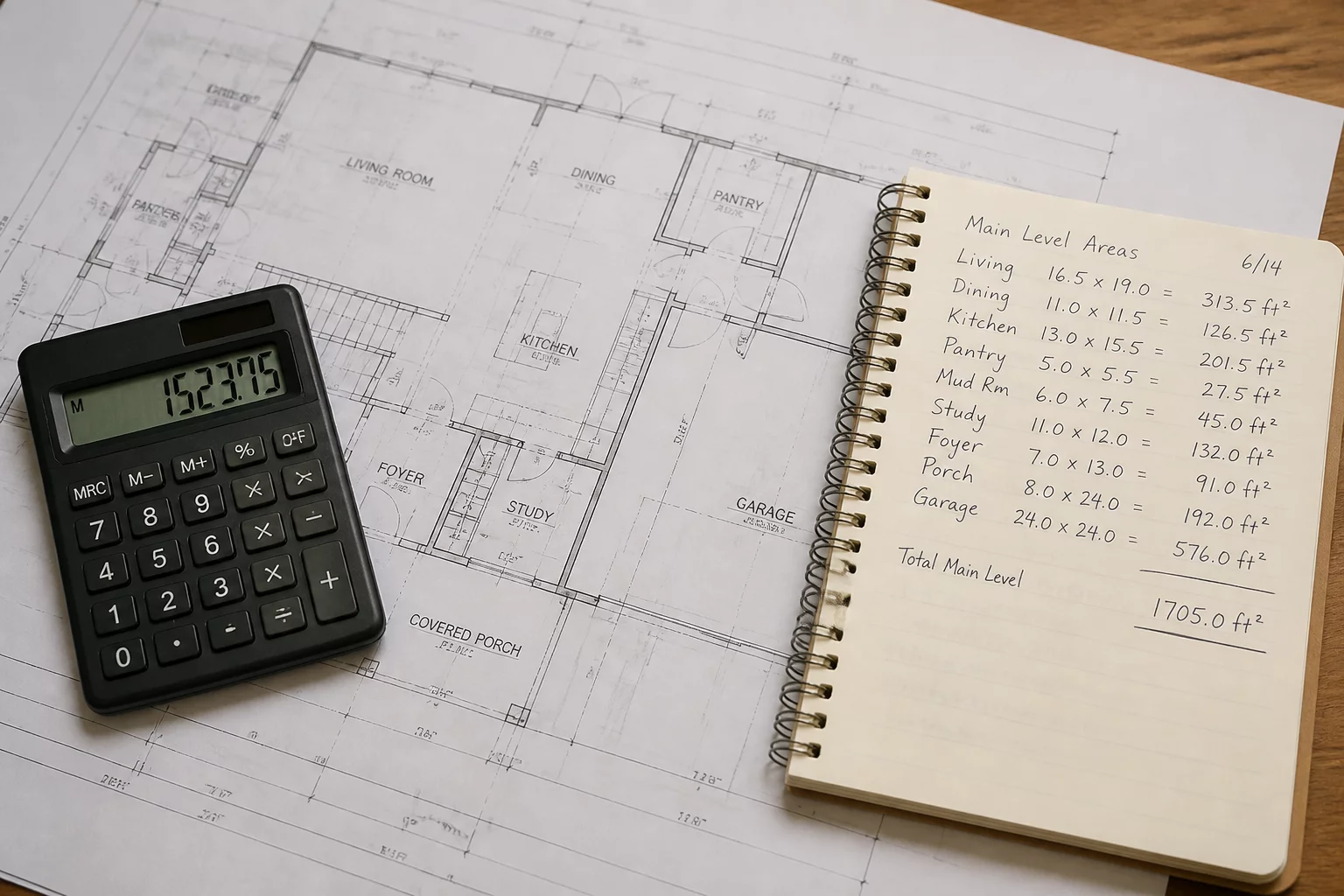
- Documenting exact assembly dimensions and grade qualifiers provides necessary support for database selector code accuracy.
Eliminating Nomenclature Drift in Field Documentation
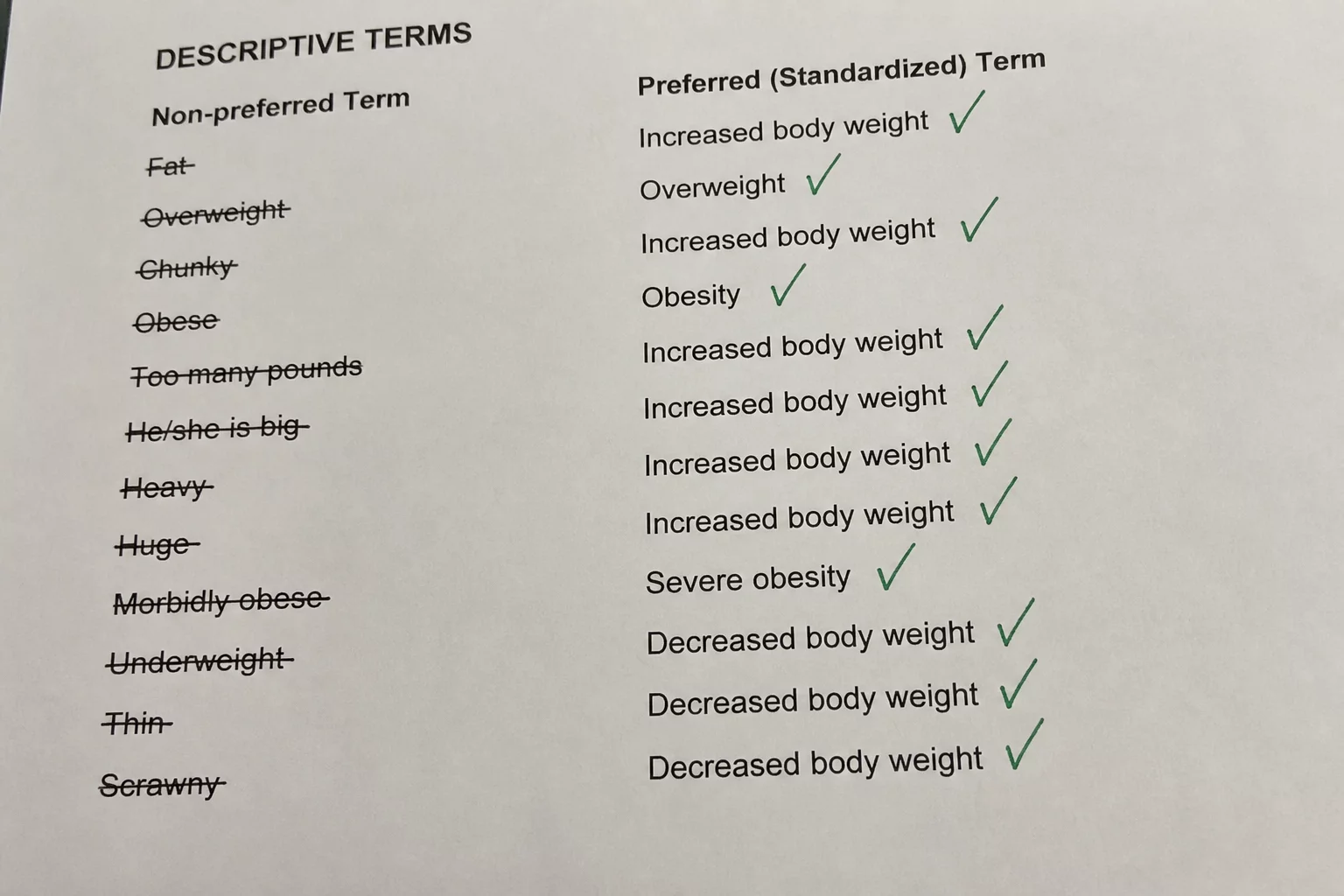
During large-scale loss evaluations, descriptive inconsistency easily creeps into field records. One room record may cite base molding while another references floor trim or baseboard profile. While these terms often describe the same physical assembly, varying terminology creates unnecessary questions during estimate scope review. Reviewers are forced to spend critical time verifying whether separate materials, profiles, or quality grades were intended.
Rigorous repair scope documentation demands a standardized vocabulary for every component and restoration activity. Standardizing descriptive terms across field sketches, photographic tags, and written narrative notes establishes undeniable clarity. When field teams maintain strict terminological consistency, desk reviewers and claims participants can evaluate scope intent without guesswork or redundant site reinspections.
Core Rules for Descriptive Precision
Apply verified trade terminology across all sheets rather than relying on informal synonyms or colloquial shorthand.
Utilize unambiguous operational terms such as detach, reset, remove, replace, or repair to convey physical scope parameters precisely.
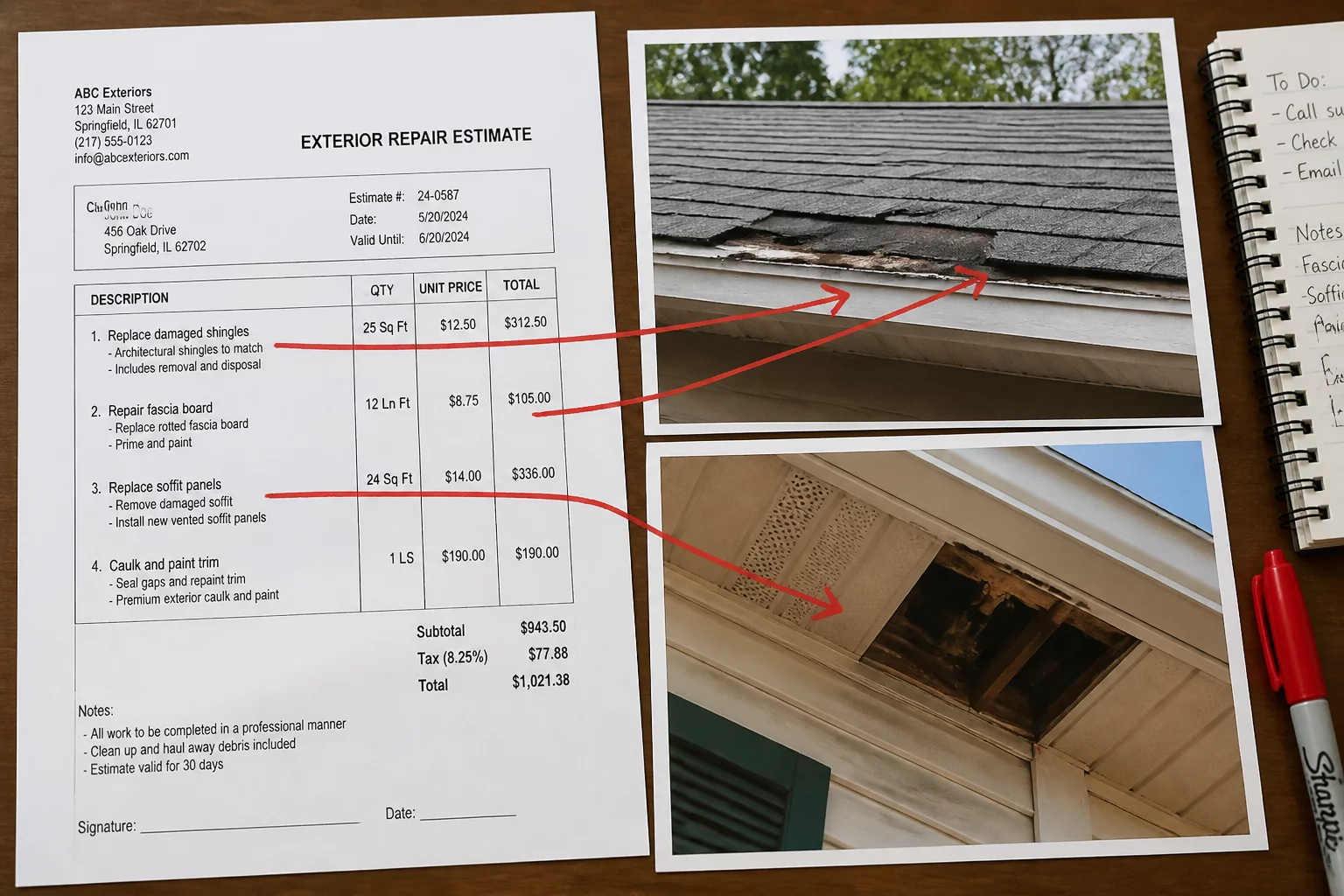
State thickness, profile width, finish quality, and installation substrates consistently to validate line item matching.
Aligning Field Notes with Xactimate Scope Context
Creating seamless documentation requires linking physical inspection logs to precise pricing codes. When a note states simply repair wall framing, the scope reviewer has no visibility into stud spacing, structural depth, or fastener requirements. Providing detailed component descriptions eliminates guesswork and supports audit validation.
"Disciplined terminology transforms subjective field logs into objective structural evidence, creating an unbreakable chain of custody from observation to scope item."
Within the broader Xactimate scope context, standardized naming helps prevent duplicate allowances and missing auxiliary operations. Clear annotations indicate whether baseboard removal includes shoe molding or whether drywall replacement includes insulation extraction, creating a cohesive and verifiable inspection package.
Standardized Scope Description Matrix
| Ambiguous Field Note | Standardized Scope Description | Scope Clarity Benefit |
|---|---|---|
| Fix damaged kitchen trim | Detach and reset 3-1/4" painted pine baseboard at north wall perimeter | Identifies non-destructive handling, profile size, and linear measurement location |
| Replace ceiling board | Remove and replace 5/8" Type X drywall ceiling with level 4 smooth finish | Specifies fire-rated thickness, application method, and surface texture grade |
| Bathroom floor tearout | Remove glued 12"x12" ceramic tile and 1/2" cementitious backer underlayment | Accounts for multi-layer demolition and exact structural assembly layers |
Field Inquiries & Observations
No comments yet. Be the first to share your observation.
Submit a Field Note or Feedback
Share your site observation insights or questions regarding this methodology.