Key Takeaways & Protocol Essentials
- Every field note entry must tie directly to a specific physical assembly or room dimension tag.
- Translating field shorthand into structured repair scope documentation prevents duplicate allowances and omissions.
- Synchronizing Xactimate scope context with annotated photo references ensures indisputable estimate clarity during audit reviews.
Establishing Traceability Between Notes and Line Items
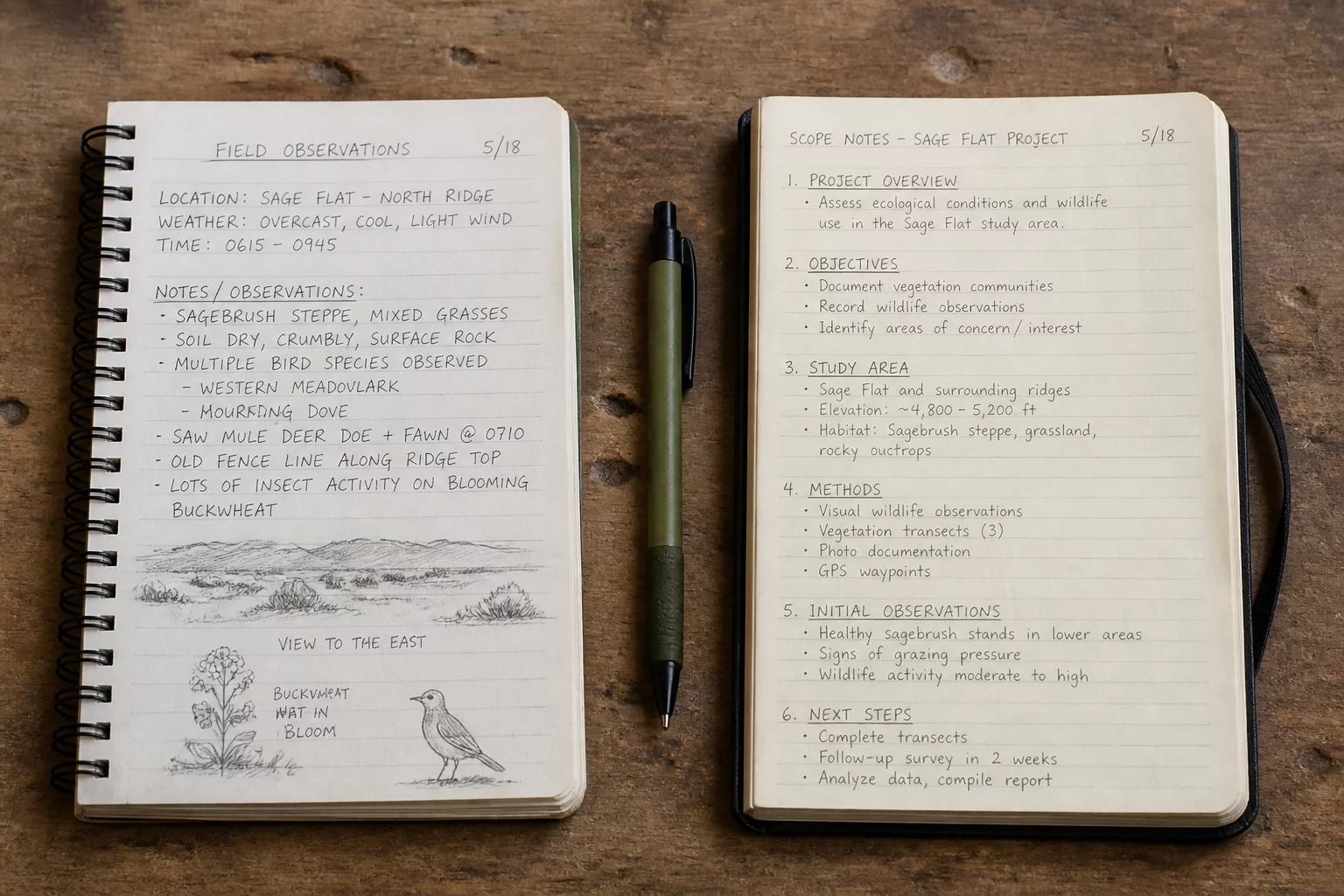
During an initial site inspection, handwritten entries and voice memos capture transient site realities before demolition or emergency mitigation begins. In comprehensive repair scope documentation, these raw field notes serve as the foundational evidentiary bridge between photographic proof and formal estimate line items. Without a disciplined cross-referencing system, critical structural notes regarding substrate deterioration, hidden fasteners, or perimeter tie-ins get lost during scope drafting.
When conducting an estimate scope review, auditors examine whether each recorded quantity corresponds with specific site observations. Aligning written field records with exact line codes creates an unbroken narrative that validates both physical assemblies and technical line selection.
Essential Standards for Cross-Referencing Field Notes
Assign every room, elevation, and assembly a permanent tag in the field journal that corresponds with the digital estimate tree structure.
Anchor handwritten field notes to specific photograph IDs and dimensioned sketches to substantiate specialized access or labor components.
Document grade, profile, and finish discrepancies immediately in field observations to validate grade selections in the line items.
Bridging Field Shorthand with Scope Context
Adjusters and estimators frequently employ field shorthand to record dynamic conditions quickly. However, shorthand notes can create substantial ambiguity when reviewed weeks later by third-party auditors. Translating these rapid notations into explicit scope items requires contextual discipline and verified physical evidence.
"A field observation without an indexed link to a photograph or line item is merely an opinion; when tied to verified measurements and assembly tags, it becomes substantiated scope evidence."
Clarifying the operational rationale within the Xactimate scope context ensures that allowances for continuous floor transitions, backing blocks, or specialized detachments reflect real site physics rather than generalized template assumptions.
Note Alignment and Verification Matrix
| Field Note Reference | Scope Item Correlation | Verification Standard |
|---|---|---|
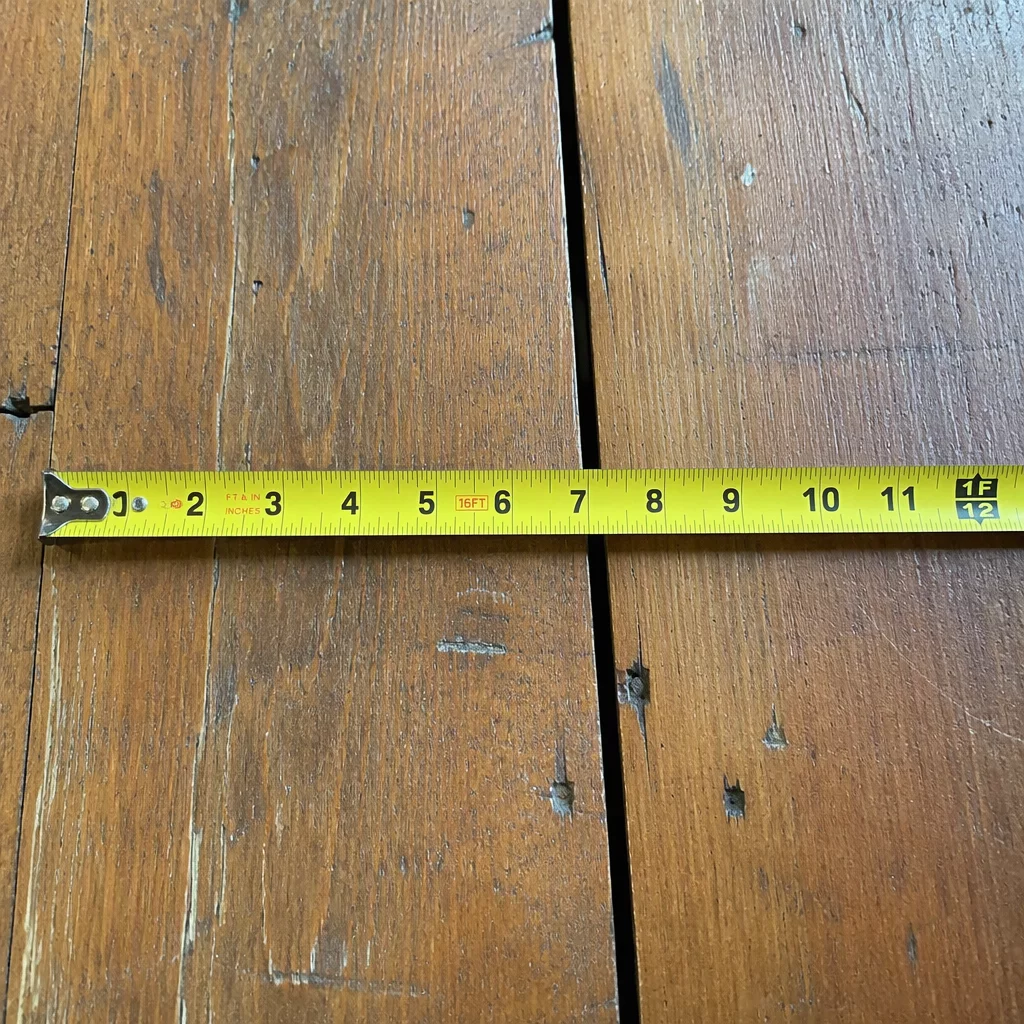
| Subfloor rot @ North perimeter wall, 18in out | 3/4" CDX plywood sheathing replacement (linear perimeter allowance) | Moisture meter logs + calibrated tape photo #24 |
| Casing profile vintage colonial, multi-step kerf | Custom millwork detach & reset with preservation care | Macro profile caliper reading + section photo #38 |
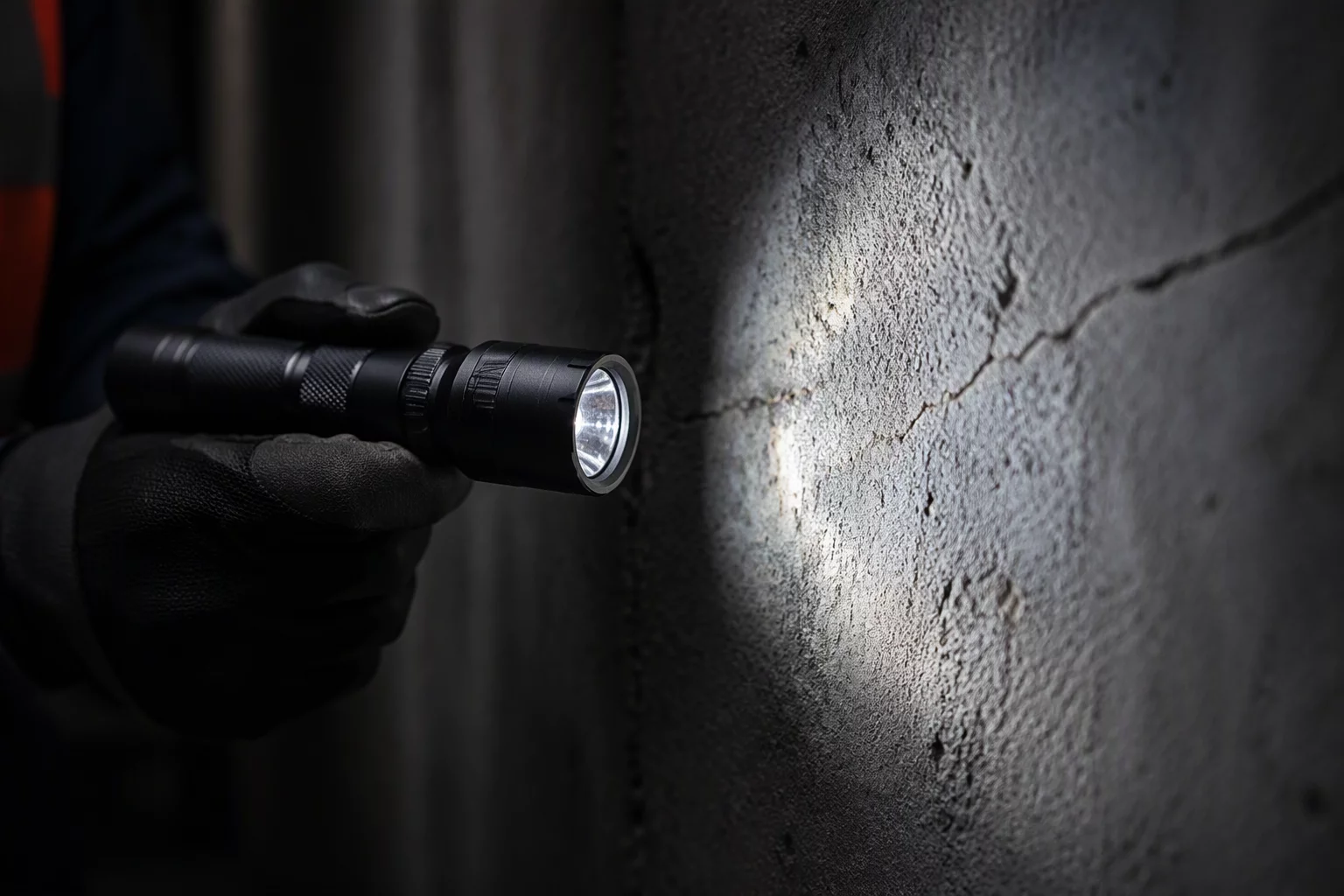
| Continuous tile beneath cabinetry kickplates | Base cabinet R&R to facilitate continuous membrane install | Borescope cavity inspection photo #52 |
Field Inquiries & Observations
Submit a Field Note or Feedback
Share your site observation insights or questions regarding this methodology.