Key Takeaways & Protocol Essentials
- Unexplained material stops between adjoining rooms frequently trigger scope disputes unless substantiated by clear photographic transitions.
- A structured estimate scope review must align physical wall breaks, continuous spans, and threshold terminations directly with line items.
- Establishing precise Xactimate scope context early prevents misinterpretations regarding partial wall removals versus full ceiling finishes.
The Anatomy of an Unexplained Boundary
In property damage assessments, an unexplained transition occurs when a scope line item terminates abruptly without an observable physical break. Inspectors often document wall repairs that halt mid-plane or flooring replacements that stop short of natural architectural barriers. When an auditor or desk reviewer evaluates these files, the lack of contextual evidence immediately triggers scrutiny.
Proper repair scope documentation requires every boundary choice to carry explicit physical justification. Whether a break is dictated by an existing expansion joint, a cased opening, or a variation in framing substrate, the field notebook must tie the visual transition directly to the corresponding quantity calculations.
Diagnostic Audit Factors in Transition Points
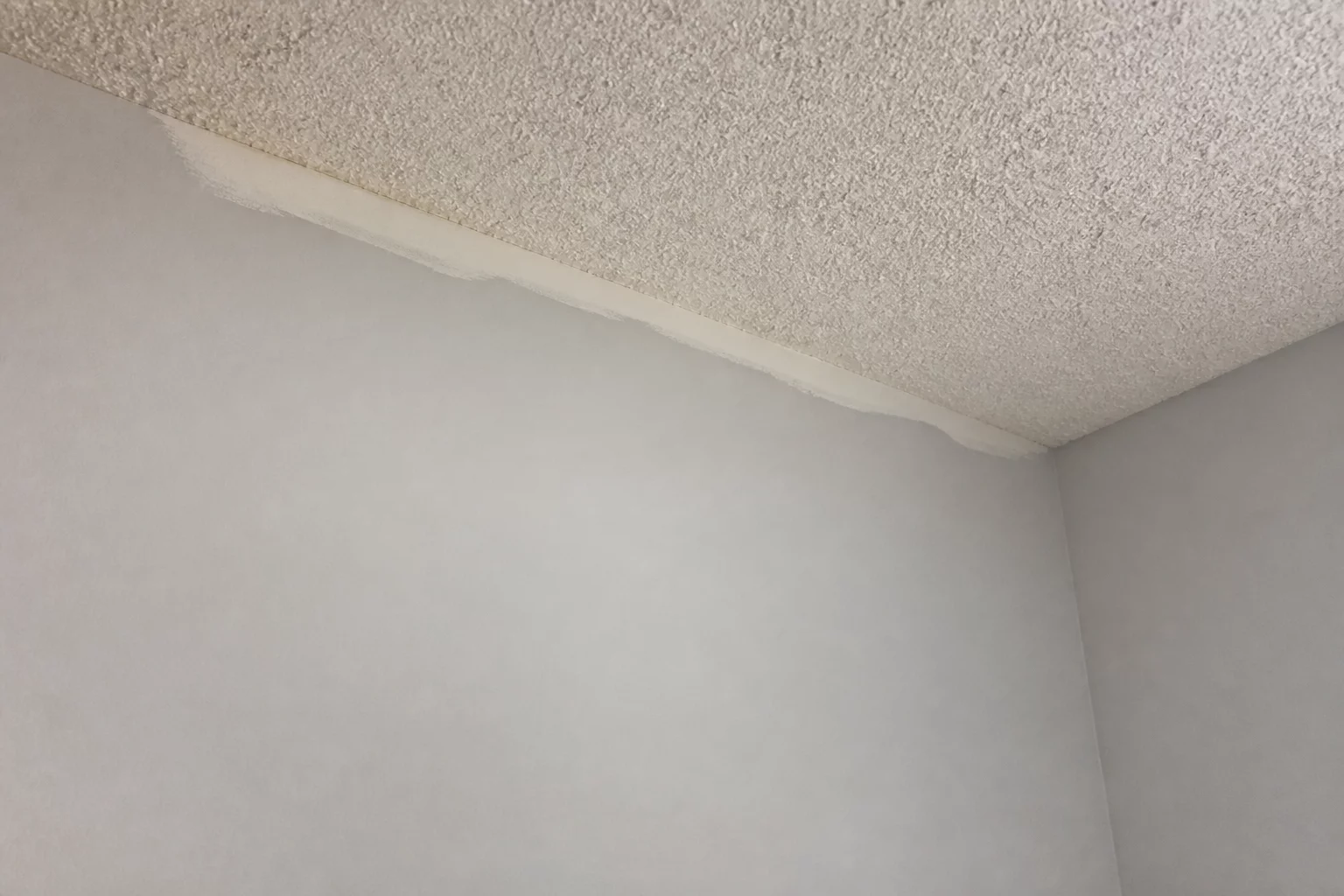
Assessing whether drywall or paint finishes carry uninterrupted across ceilings or if decorative mouldings establish a natural break line.
Documenting whether continuous hardwood carries across door thresholds or transitions to tile via a manufacturer-approved T-moulding.
Identifying where plaster meets modern drywall over framing additions to account for compound feathering and backing adjustments.
Tracing Field Observations to Estimating Scope
During an intensive estimate scope review, disconnected quantities often trace back to simple oversights during initial site photography. An appraiser might record 120 square feet of wall prep in a living room, but the accompanying photos fail to show where the work stops before entering the hallway.
"Every boundary in a scope must mirror a physical intersection in the building; if an arbitrary stop line cannot be found on-site, the estimate loses its evidentiary weight."
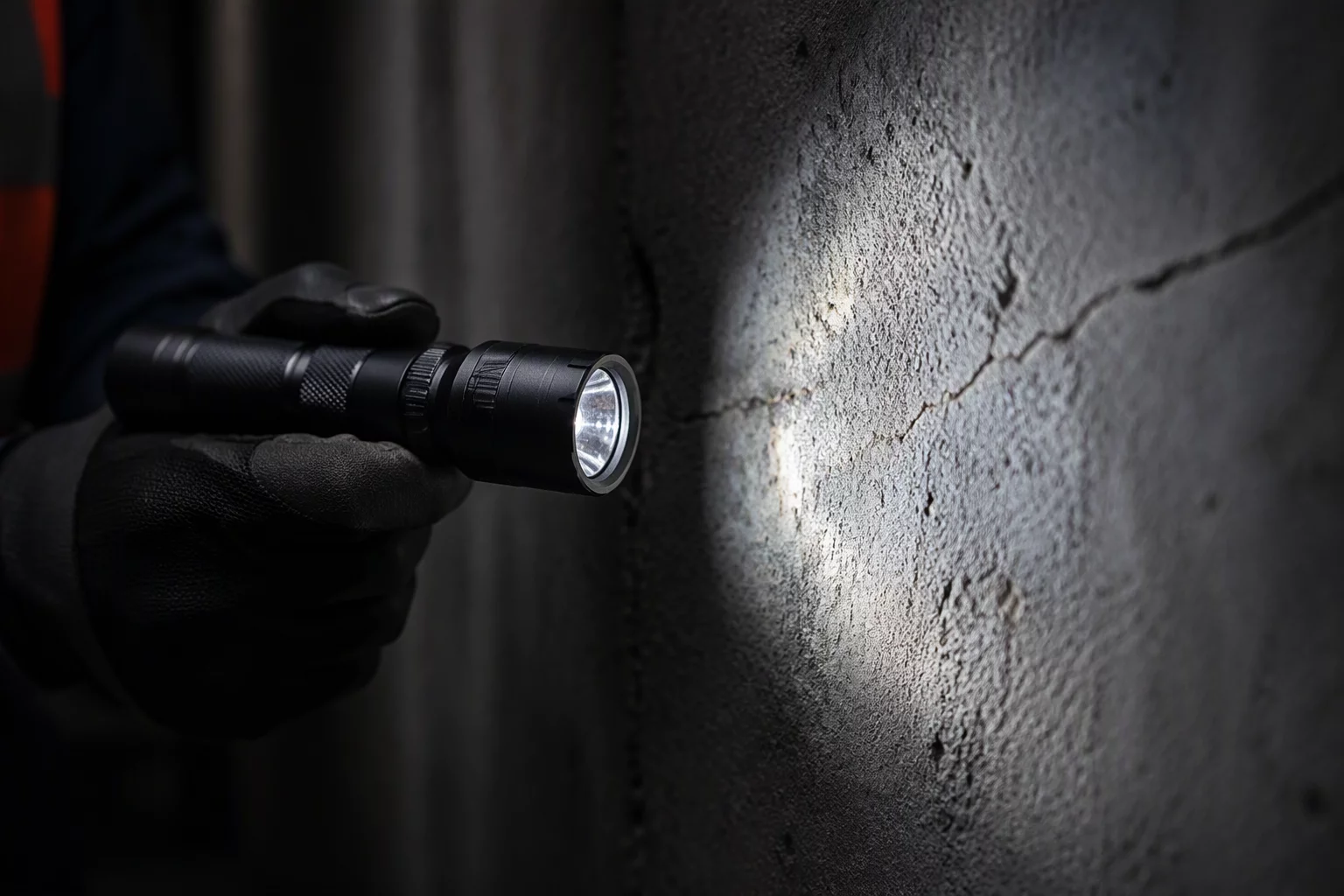
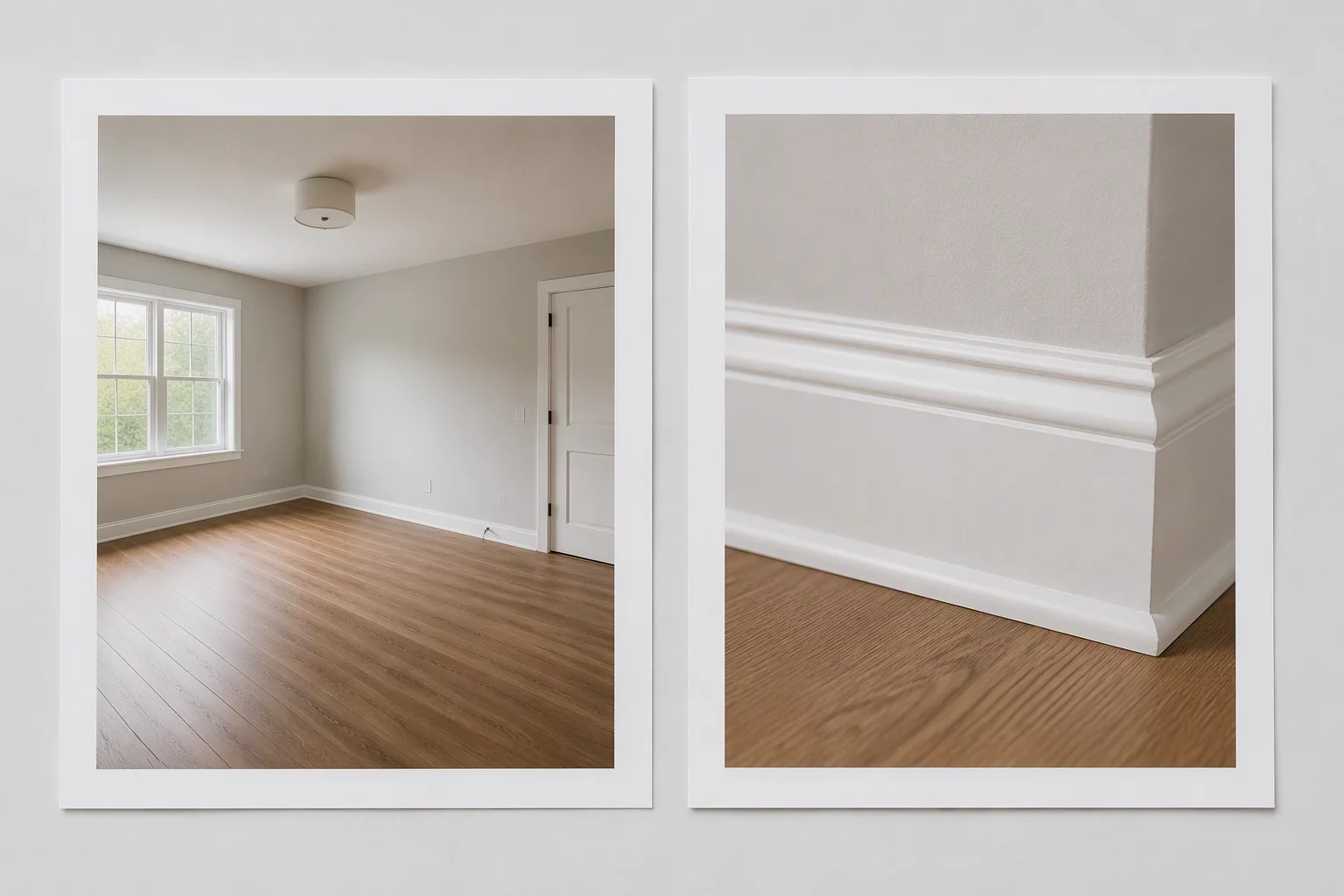
Establishing clear Xactimate scope context requires adding detailed transition notes directly within line-item descriptions. By attaching overview photos alongside macro detail shots of the transition juncture, inspectors validate the exact stopping point and eliminate ambiguity during review.
Transition Line-Item Reconciliation Framework
| Transition Category | Field Evidence Requirement | Scope Reconciliation Rule |
|---|---|---|
| Wall Surface to Ceiling Junction | Corner angle shot showing texture profile variance | Isolate wall paint lines without automatic ceiling carryover |
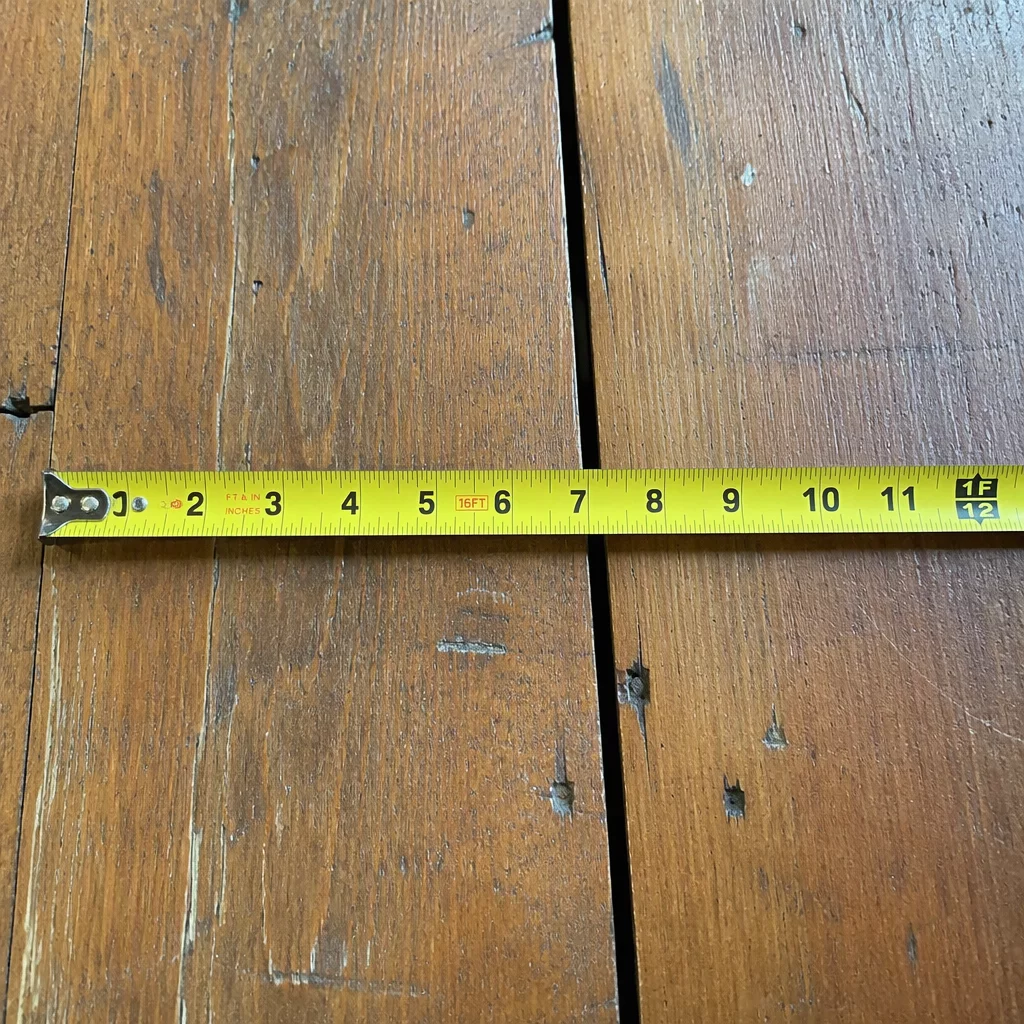
| Doorway Thresholds | Low-angle macro shot of transition strip or seam | Terminate flooring square footage at casing center point |
| Trim & Baseboard Termination | Profile caliper measurement and scarf joint evidence | Specify lineal feet to nearest natural architectural end |
Field Inquiries & Observations
Eleanor Vance
Field Observation Lead • 10/02/2026
The thorough line-item trace and photographic cross-referencing provided absolute clarity on the scope. It completely eliminated ambiguity during our appraisal review.
Marcus Reed
Senior Audit Specialist • 10/03/2026
Thank you, Eleanor! We make sure every site audit record directly links high-resolution capture data to exact scope items for complete audit integrity.
Submit a Field Note or Feedback
Share your site observation insights or questions regarding this methodology.