
Key Takeaways
- Every scope statement must trace back to a physical observation and forward to an estimate line item.
- Record the boundary logic explicitly — the next reviewer cannot verify what was never written.
- Attach the evidence that would falsify the decision, not only the evidence that supports it.
Correct but Unverifiable
A scope can be completely right and still unreviewable. The estimator measured correctly, chose a defensible boundary, priced it fairly — and recorded none of the reasoning. Six months later, a second reviewer sees a line item with no photo anchor, a quantity with no derivation, and a boundary with no stated logic. The scope might as well be wrong.
Reconstructability is the core test of scope documentation: can another reviewer understand why this work belongs in the scope, from the file alone? Everything else — format, software, convention — is secondary to that one question.
The Five Trace Elements
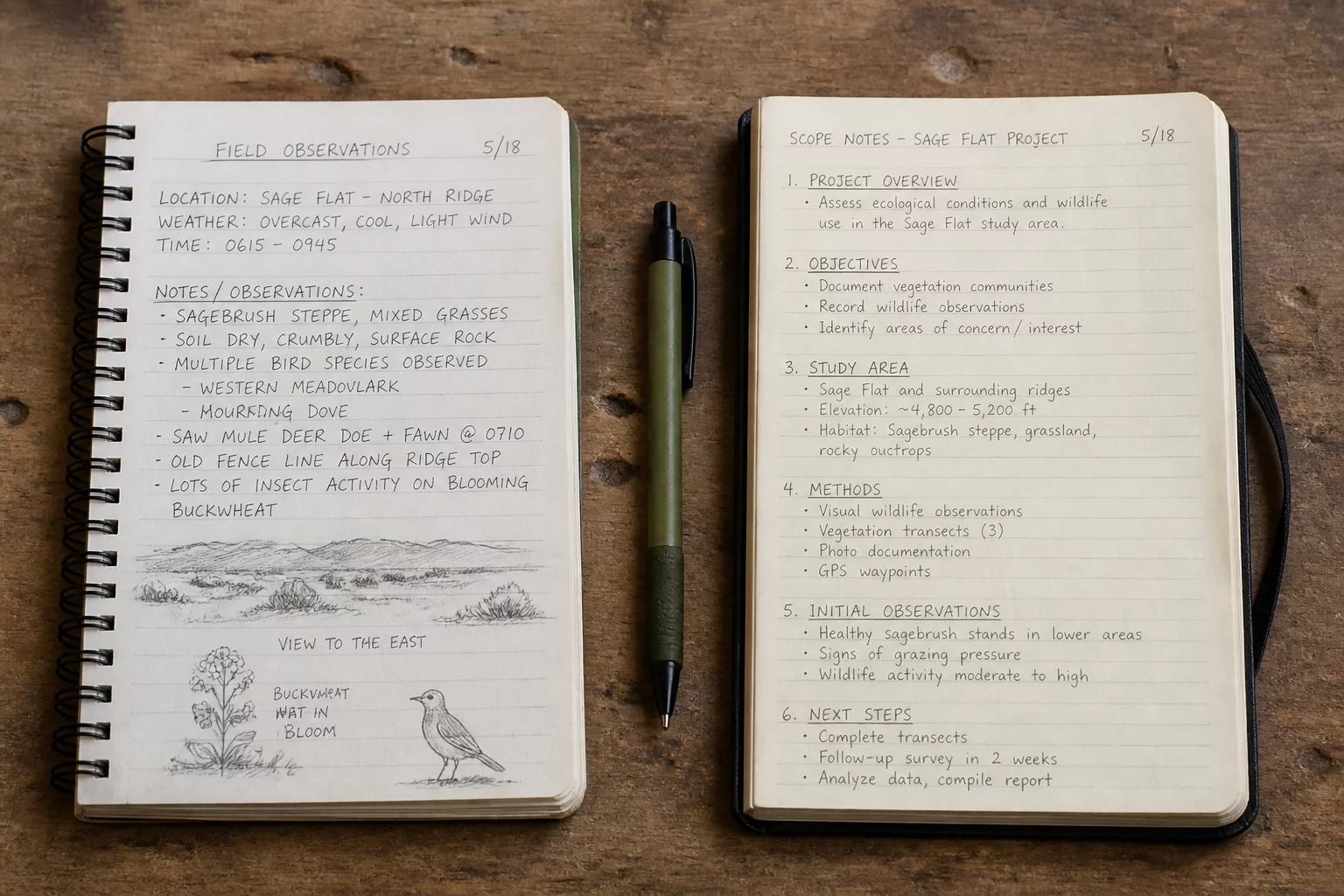
What was physically seen — the metered line, the swollen trim, the staining pattern.
The written claim that follows from the observation — what will be removed, repaired, or replaced.
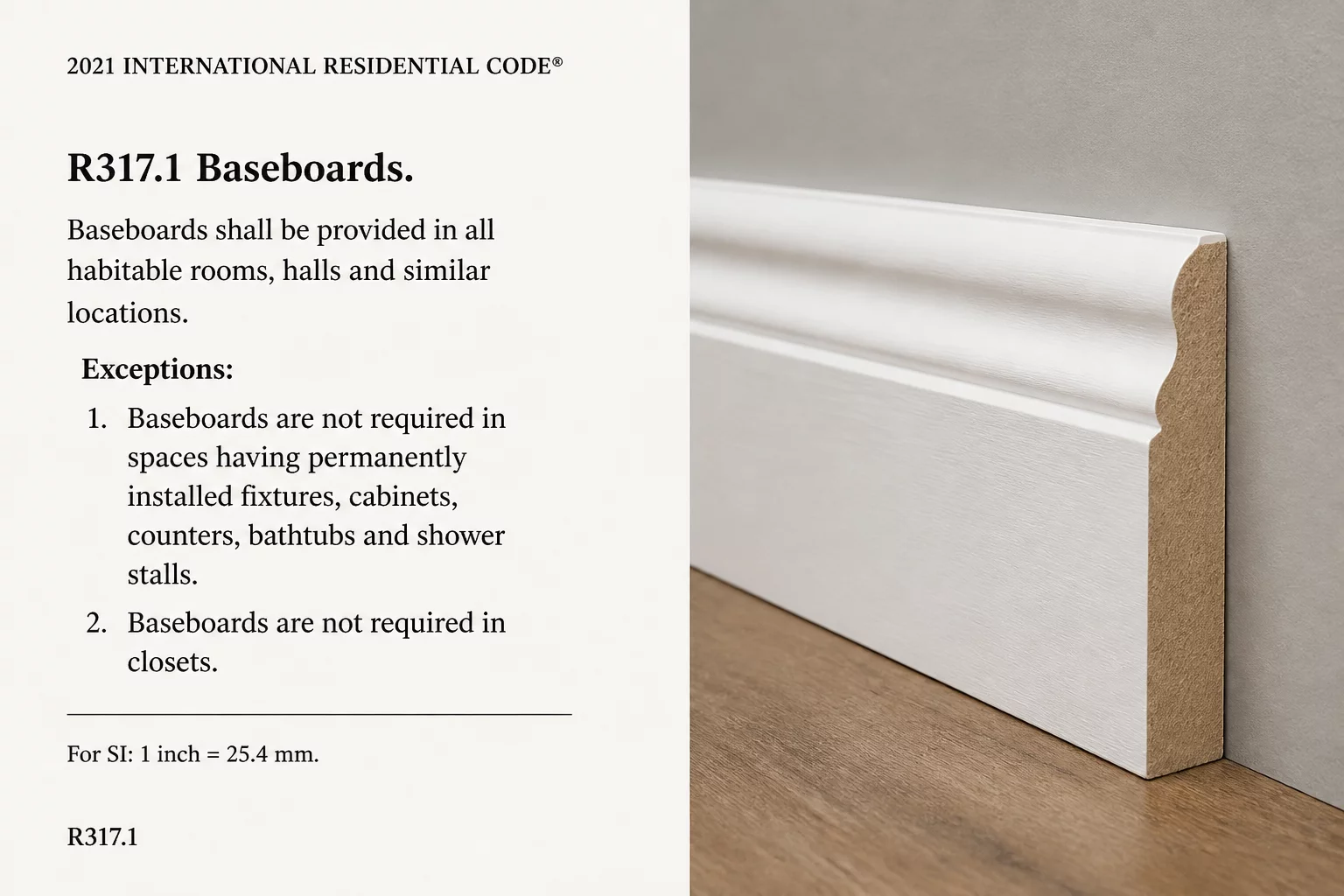
The edges of the commitment — what the line covers and what it explicitly does not.
The photos, sketches, and measurements that let a stranger verify the observation without the site.
Where the work lands in the estimate — the codes, rooms, and quantities it touches.
Where Handoffs Lose the Thread
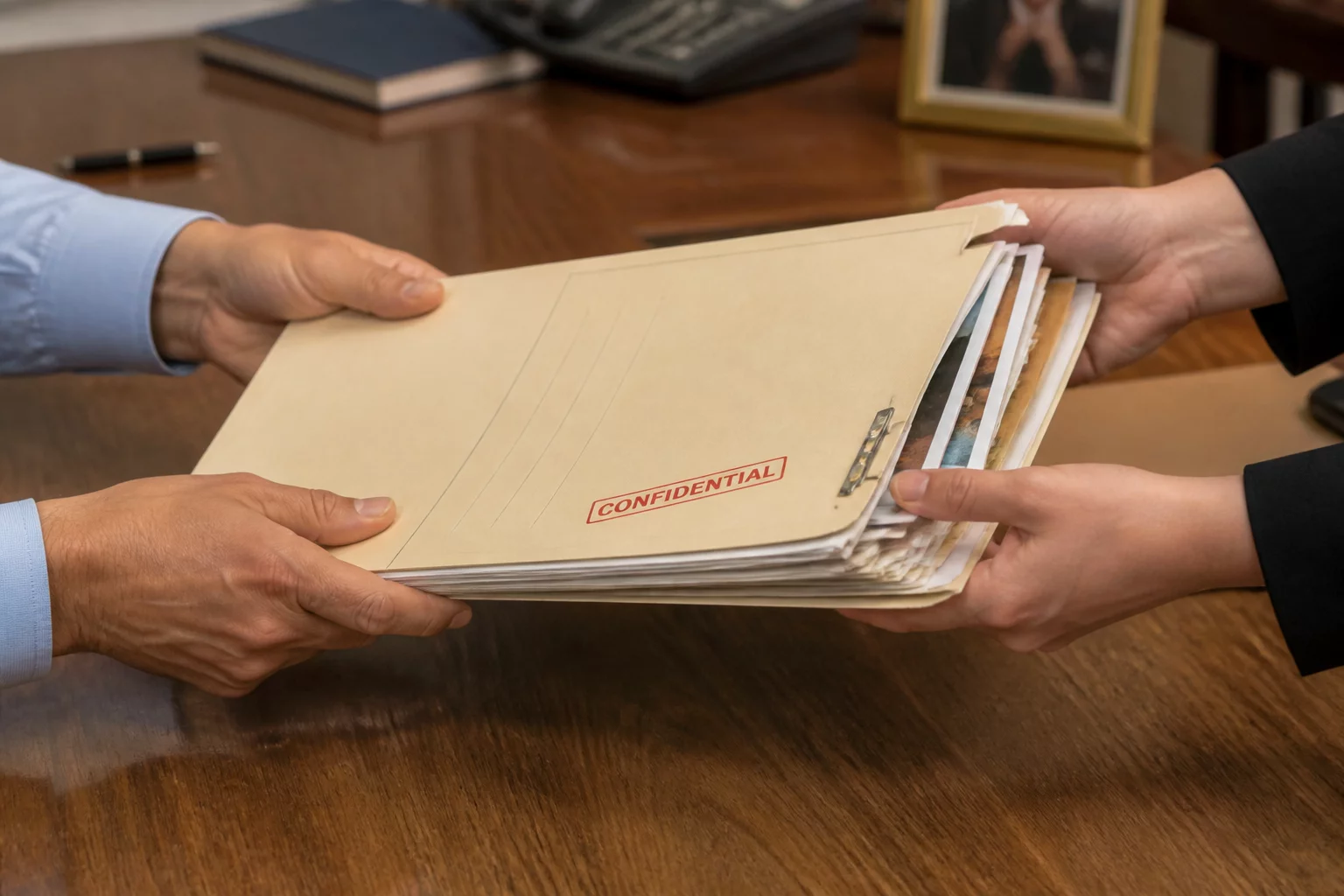
The chain usually breaks at the same joints: an observation photographed but never tied to a line item; a boundary decided on site but never written; a quantity carried in someone's head. Each break is small — together they make the scope unreplayable.
The fix is procedural, not heroic: every line item gets a backward pointer to its observation, and every observation gets a forward pointer to its scope statement. When both pointers exist, the file reviews itself.
Reviewers do not reject scopes they disagree with nearly as often as scopes they cannot follow.
Reconstruction Failure Modes
| Missing Element | What Reviewer Sees | Typical Outcome |
|---|---|---|
| Evidence anchor | Line item with no photo | Item queried or stripped |
| Boundary logic | Arbitrary-looking cut line | Extent dispute |
| Quantity derivation | Round number, no source | Full re-measure requested |